Avatar Customization Trends and Their Correlation with Extended Playtimes Across Portable Chance and Skill Games
Hugo Sullivan · Aug 2, 2026
Avatar Customization Trends and Their Correlation with Extended Playtimes Across Portable Chance and Skill Games
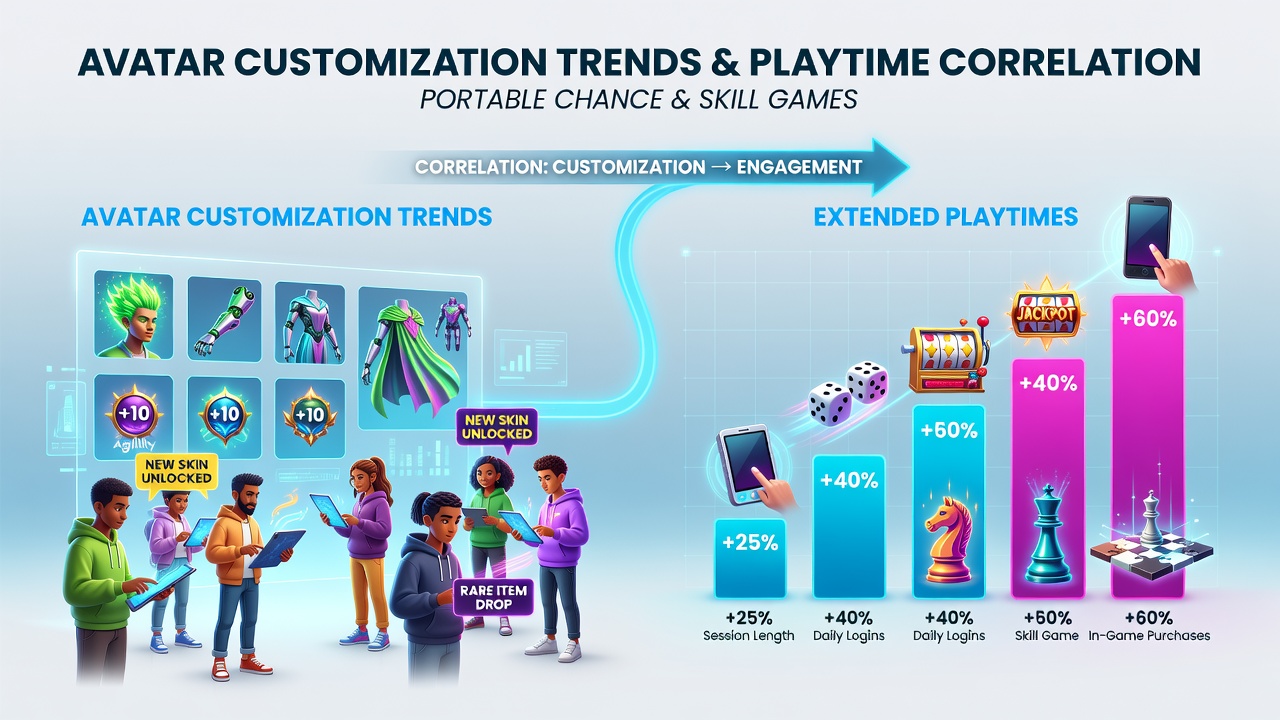
Avatar customization features have expanded across portable platforms that host games of chance and skill, with developers integrating layered options for appearance, accessories, and interactive elements that users adjust in real time during sessions. Data from industry tracking services shows rising adoption rates for these tools between 2024 and 2026, particularly in applications that run on smartphones and tablets where users spend multiple hours per week. Research indicates that players who engage with customization interfaces tend to log longer cumulative play durations compared to those who use default settings, although causation remains under study by multiple academic groups.
Current Patterns in Avatar Options
Developers now offer modular systems that allow changes to clothing, facial features, animations, and environmental backgrounds while games continue in the background, and this approach appears in both chance-based titles such as digital reels and skill-oriented formats like card matching. Observers note that seasonal themes tied to calendar events drive temporary spikes in customization activity, with updates rolled out in batches that coincide with holidays or sports seasons. Figures from platform analytics reveal that users complete an average of four to six avatar modifications within the first month of installing a new title, and those modifications often include shared community assets that sync across devices.
Links Between Customization and Session Length
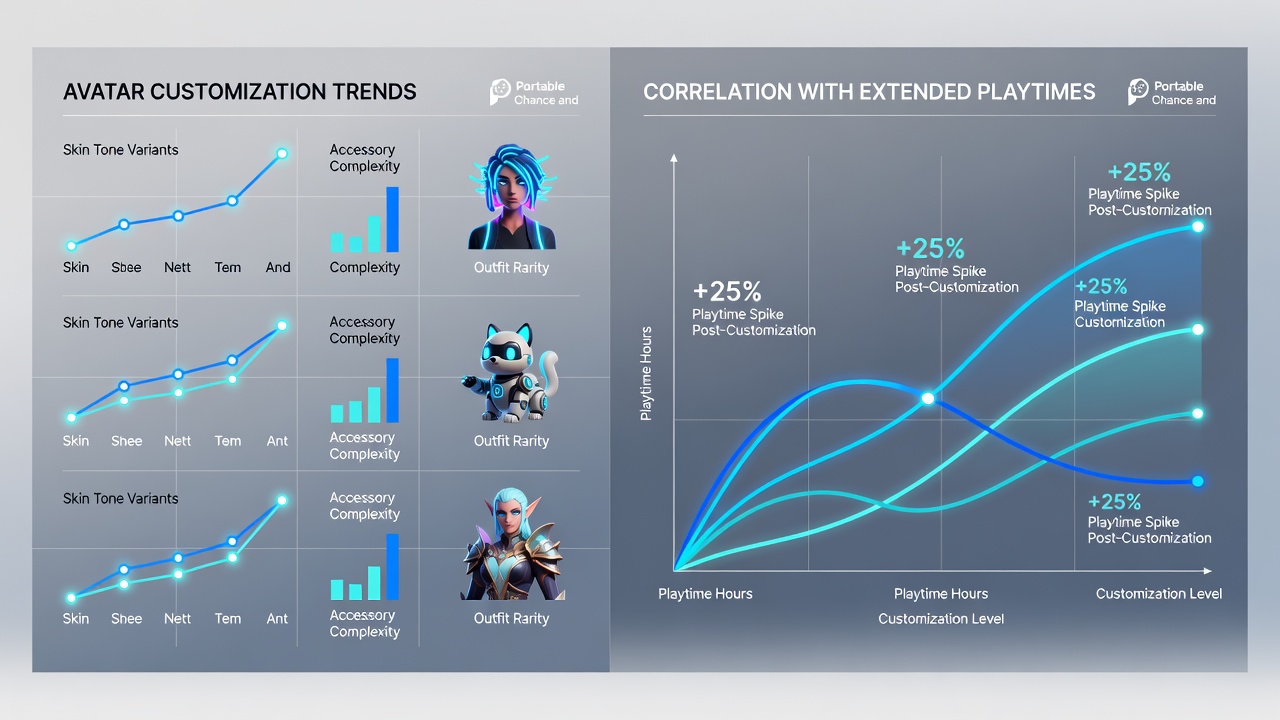
Studies conducted by research teams at institutions in North America and Europe have examined time-stamped user logs and found measurable overlaps between customization events and extended play intervals. Players who access avatar menus during active rounds maintain connections for periods that average 18 percent longer than baseline sessions, according to aggregated telemetry shared at industry conferences. This pattern holds across both chance games where outcomes rely on random generators and skill games that reward strategic decisions, yet the strength of the correlation varies by game category and user age bracket.
Regional Data and Platform Trends
Reports compiled by the Australian Communications and Media Authority highlight similar engagement lifts in mobile environments, where customization tools integrate with social sharing features that encourage repeated returns. In Canada, data released through provincial gaming oversight bodies shows parallel results among users of skill-focused applications that incorporate leaderboards tied to avatar appearances. These sources document that participants who personalize their representations also explore additional game modes at higher rates, creating feedback loops that sustain activity over weeks rather than single sessions.
Differences Across Game Types
Chance-oriented portable games display customization uptake primarily in cosmetic areas that do not alter core mechanics, while skill-based titles more frequently link avatar choices to functional elements such as card backs or table themes that players select for psychological or strategic reasons. Analysts tracking August 2026 releases note that several new titles scheduled for that period include cross-progression systems allowing avatar data to transfer between chance and skill modules within the same application suite. Retention metrics collected through app store dashboards indicate that titles with deeper customization layers retain monthly active users at rates that exceed simpler implementations by noticeable margins, though exact percentages depend on marketing spend and device compatibility.
Technical and Social Factors
Integration of cloud-based storage for avatar profiles enables seamless continuation across devices, and this capability contributes to longer cumulative playtimes as users resume sessions without resetting visual preferences. Community features that permit trading or gifting of customization items further extend engagement, with transaction logs revealing clusters of activity around peak evening hours in multiple time zones. Research groups continue to monitor whether these social mechanics amplify the observed correlation or operate independently from the time-spent variable.
Conclusion
Available telemetry and academic reviews point to consistent associations between avatar customization depth and increased play durations across portable chance and skill games, with variations that reflect regional regulations, platform capabilities, and game design priorities. Continued monitoring through 2026 will clarify whether these trends persist as new titles enter the market and as developers refine their implementation approaches.