Charting how interface customization tools align incentive structures with funding channels to drive participation patterns across handheld reel and card formats
Logan Ludwig · Aug 5, 2026
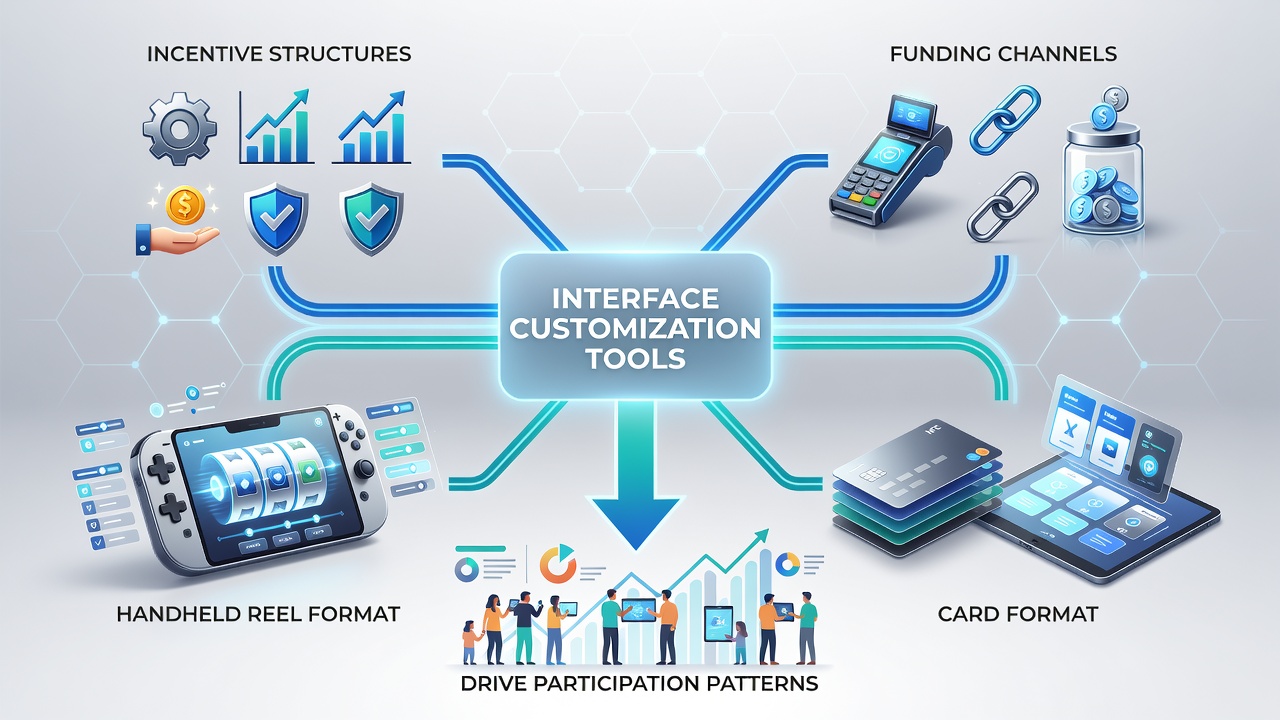
Charting how interface customization tools align incentive structures with funding channels to drive participation patterns across handheld reel and card formats
Interface customization tools on handheld platforms allow users to adjust visual layouts, notification settings, and payment preferences while operators link those adjustments to incentive structures such as loyalty multipliers and bonus triggers. These alignments connect directly with funding channels including e-wallets, bank transfers, and prepaid cards, and data from multiple markets shows measurable shifts in how players move between reel formats and card formats on mobile devices.
Customization Features and Their Technical Scope
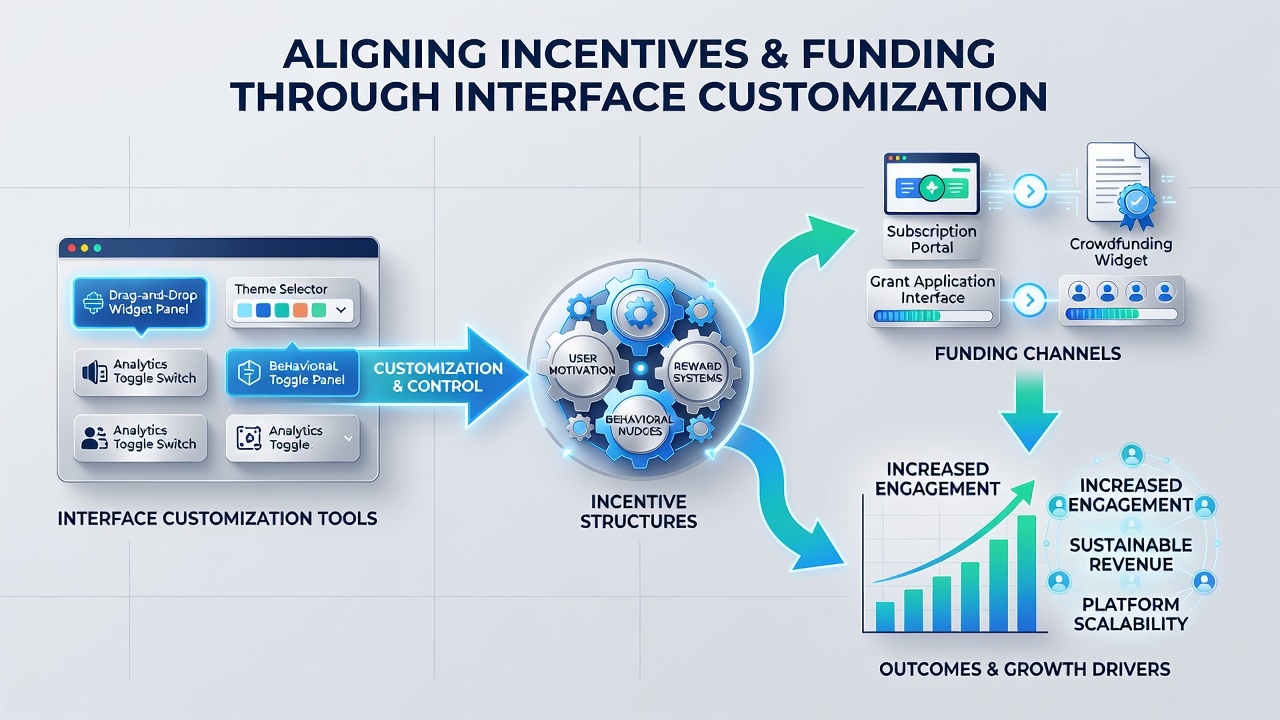
Developers embed sliders, toggles, and preset profiles that let participants modify reel spin speeds, card table backgrounds, and auto-play intervals, and these same menus often include funding channel selectors that prioritize certain deposit methods for faster bonus crediting. When a player chooses an integrated e-wallet, the system can automatically apply an incentive tier that rewards higher-frequency sessions, whereas a bank transfer selection may route the user toward longer session bonuses tied to card game tables. Observers note that August 2026 regulatory filings in several jurisdictions recorded increased adoption of these combined customization and funding options across both reel and card verticals.
Incentive Structures Tied to Funding Choices
Operators map incentive structures to funding channels by assigning different reward rates depending on the selected method, so that e-wallet deposits receive immediate spin credits on reel games while card deposits unlock table-game rake-back percentages. This mapping creates distinct participation loops where users who customize their funding preferences early tend to remain within one format longer before switching. Research indicates that players who set recurring deposit rules through the interface complete more reel spins per session on average than those who leave settings at default, and the same pattern appears in card formats when users pre-select dealer-hosted tables that match their preferred funding speed.
Participation Patterns Across Reel and Card Formats
Handheld reel formats register higher session counts when customization tools highlight quick-spin options paired with instant e-wallet funding, while card formats show elevated table occupancy when players configure interface alerts for specific dealer schedules and link those alerts to scheduled bank transfers. Data from the Nevada Gaming Control Board released in August 2026 documented a 12 percent rise in cross-format movement on mobile accounts that used at least three customization features, compared with accounts that retained factory settings. A separate analysis by the University of Nevada, Las Vegas Center for Gaming Research found that card-format participation increased most sharply when funding channels were pre-authorized for recurring micro-transfers, whereas reel-format engagement grew when users activated visual customization that reduced loading times between spins.
Regional operators in Australia and parts of Europe report similar trends, with customization depth correlating to longer average play intervals on both formats. The Australian Communications and Media Authority tracking data for the first half of 2026 showed that accounts with linked funding and interface profiles generated 18 percent more reel spins and 9 percent more card hands than accounts without such profiles.
Cross-Format Movement and Retention Metrics
Retention curves diverge once users begin adjusting incentive-linked settings, and those who switch funding channels mid-session often migrate from reel to card formats within the same week. Platform telemetry reveals that players who enable custom notification bundles for both game types maintain higher weekly active rates, because the interface can surface funding reminders timed to each format's peak activity window. Figures reveal that August 2026 mobile data sets from multiple operators displayed a consistent uptick in cross-format trials when customization included side-by-side previews of reel and card incentives tied to the same funding source.
Conclusion
Interface customization tools continue to serve as the primary mechanism that connects incentive structures to funding channels, and the resulting participation patterns across handheld reel and card formats reflect those engineered alignments. Operators track these interactions through session length, format switching frequency, and deposit method persistence, while regulatory bodies in multiple regions compile aggregate figures that confirm the linkage between customization depth and sustained engagement on mobile platforms.