Deciphering Pattern Recognition in Player Feedback for Optimizing Live and Automated Game Experiences on Portable Devices
Petra Hansen · May 29, 2026
Deciphering Pattern Recognition in Player Feedback for Optimizing Live and Automated Game Experiences on Portable Devices
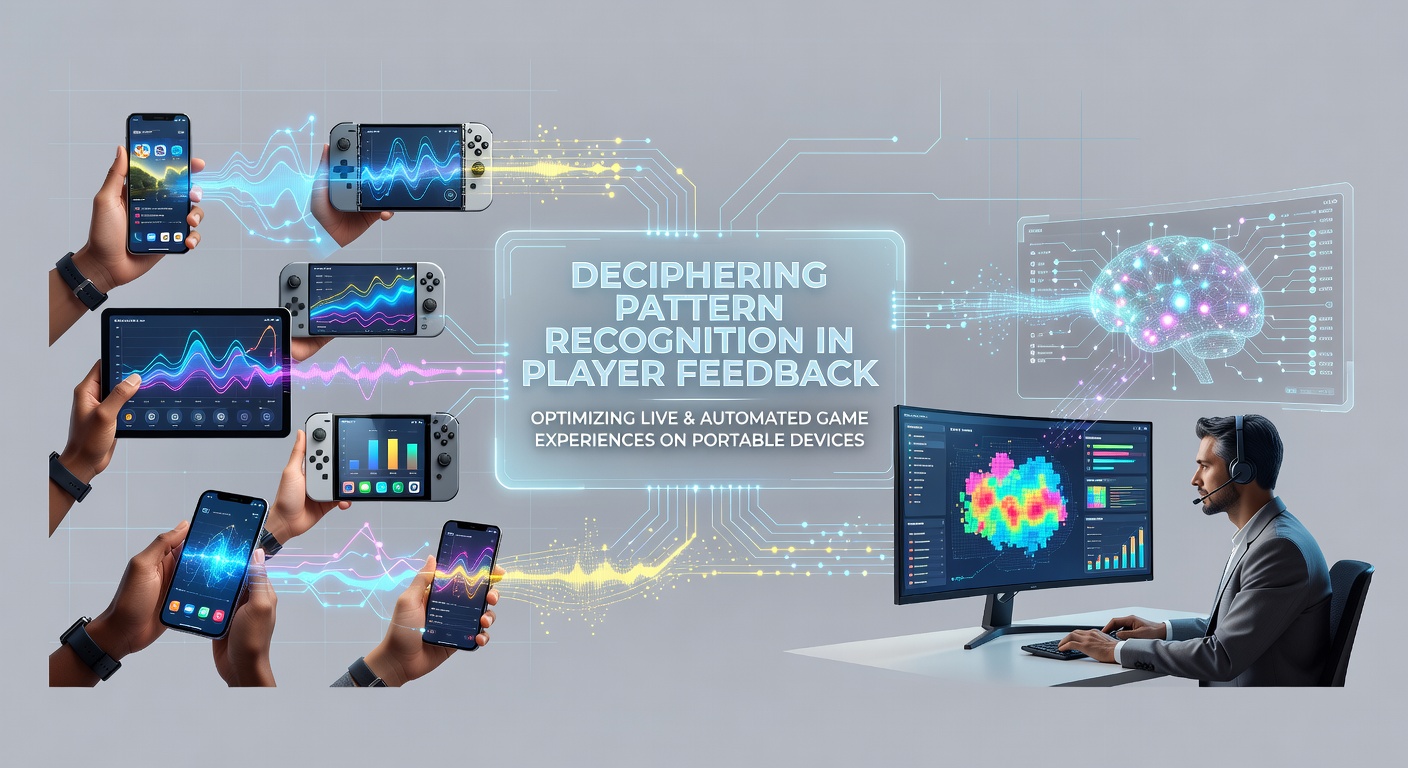
Pattern recognition systems process vast amounts of player input from portable devices to refine both live multiplayer sessions and automated single-player modes in mobile games. Researchers at institutions across multiple continents apply machine learning algorithms that identify recurring sequences in touch gestures, session durations, and in-app navigation choices. These systems distinguish between intentional actions and accidental inputs while tracking how players respond to dynamic events such as real-time opponent behaviors or procedurally generated challenges.
Core Mechanisms Behind Feedback Analysis
Data collection begins when applications on smartphones and tablets log timestamped interactions without requiring separate user surveys. Developers integrate lightweight sensors that capture swipe velocity, pressure variations, and pause intervals, then feed these metrics into clustering models that group similar behavioral profiles. According to reports from the Australian Research Council, such clustering reveals subgroups of players who prefer rapid decision loops versus those who engage in extended exploration phases. Pattern recognition further segments feedback by device type, noting that tablets often produce longer dwell times on menu screens compared with phones during identical game scenarios.
Live game experiences introduce additional variables because participant actions occur simultaneously across distributed networks. Automated experiences, by contrast, rely on scripted responses that adapt based on aggregated historical patterns rather than concurrent inputs. Engineers combine recurrent neural networks with decision trees to predict when a player might abandon a level, enabling preemptive adjustments such as difficulty scaling or resource allocation that occur mid-session on the portable hardware itself.
Regional Research Initiatives and Data Standards
European Union funded projects have established protocols for anonymizing player telemetry before it enters pattern recognition pipelines, ensuring compliance with data protection frameworks while preserving analytical utility. In parallel, Canadian academic teams have examined how seasonal usage spikes correlate with specific feedback motifs, finding that winter months produce higher volumes of retry requests in automated puzzle formats. These findings feed into global repositories that standardize feature extraction methods across operating systems.
Optimization Techniques for Portable Hardware Constraints
Battery and processing limitations on handheld devices require pattern recognition models to operate with reduced computational footprints. Edge computing frameworks execute simplified versions of the algorithms locally, transmitting only summarized pattern vectors to central servers when connectivity permits. This approach minimizes latency for live interactions while still allowing automated game modes to benefit from periodic model updates downloaded during charging cycles. Observers note that compression techniques preserve the essential statistical properties of player sequences even after aggressive data reduction.
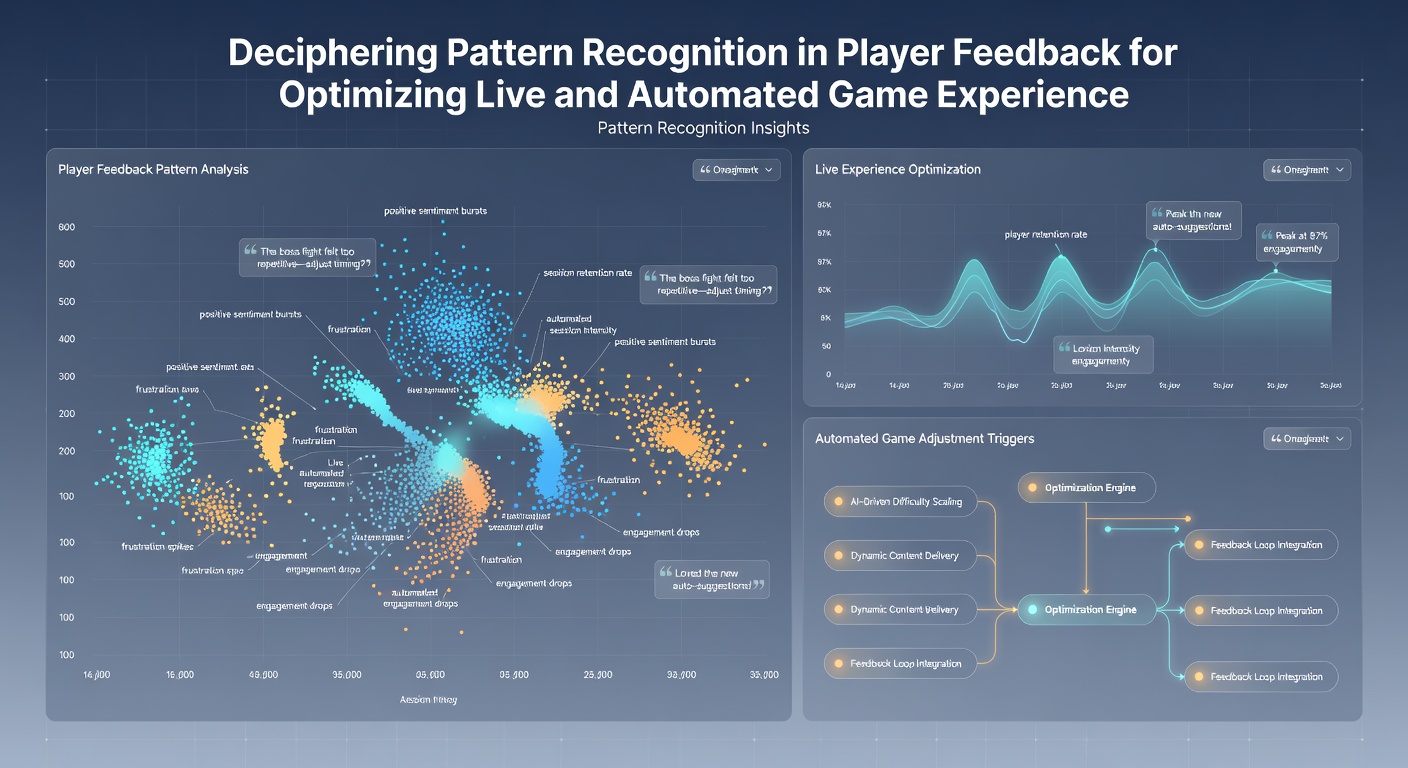
Integration with operating system accessibility features further refines pattern detection by accounting for motor skill variations among users. Developers calibrate recognition thresholds differently for each hardware generation, recognizing that newer chipsets support deeper feature analysis without draining power reserves. Studies conducted at the National Institute of Standards and Technology have quantified accuracy gains when models incorporate device-specific calibration data versus generic training sets.
Distinguishing Live and Automated Adaptation Loops
Live game environments demand immediate recognition of emerging group dynamics, such as coordinated strategies among multiple participants on separate portable devices. Pattern recognition identifies when collective behavior deviates from established norms, triggering server-side adjustments that propagate back to individual clients within milliseconds. Automated modes instead emphasize longitudinal tracking, comparing a single player's current session against their personal historical baseline to detect plateaus or regressions in performance metrics.
Hybrid titles that switch between live and automated segments require seamless handoff protocols so that learned patterns carry forward regardless of mode. Engineers implement state machines that preserve contextual embeddings across transitions, preventing loss of momentum when a player moves from a solo automated challenge into a live cooperative segment. Data from these transitions contributes to refined models that anticipate preferred mode sequences for different demographic clusters.
Future Developments Scheduled Through 2026
Industry roadmaps indicate expanded testing of federated learning approaches by May 2026, allowing pattern recognition to improve across devices without centralizing raw player data. Pilot programs in Asia-Pacific markets will evaluate how cross-device synchronization affects recognition precision when users alternate between phones and tablets during the same gaming day. These trials build on existing frameworks that already demonstrate measurable retention improvements when feedback loops close within a single session.
Conclusion
Pattern recognition applied to player feedback continues to shape both live and automated game experiences on portable devices through systematic analysis of interaction sequences and contextual variables. Ongoing refinements in model efficiency and regional data standards support broader deployment while maintaining hardware compatibility. Developments projected for May 2026 suggest further integration of privacy-preserving techniques that will expand the scope of usable feedback without compromising individual device performance.