Decoding Loyalty Structures and Their Influence on Prolonged Engagement in Digital Entertainment Platforms
Petra Hansen · Jun 14, 2026
Decoding Loyalty Structures and Their Influence on Prolonged Engagement in Digital Entertainment Platforms
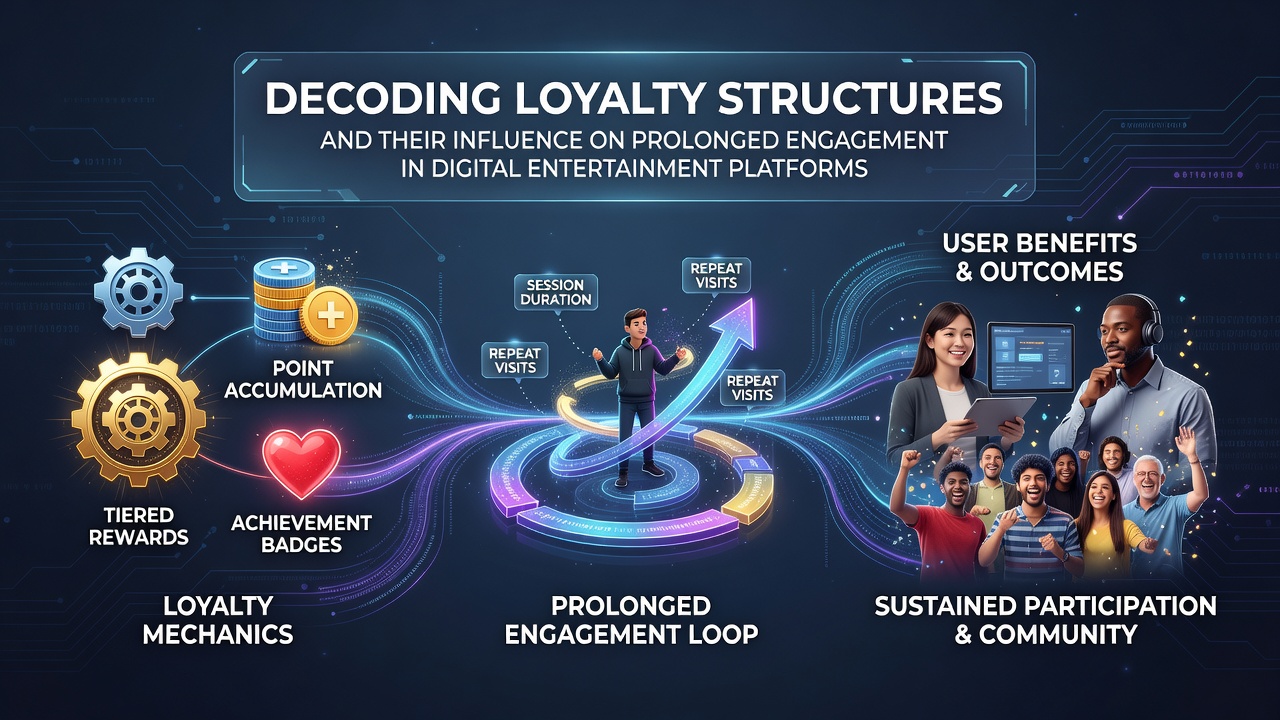
Digital entertainment platforms rely on structured loyalty mechanisms to maintain user activity over extended periods, and these systems operate through tiered rewards, personalized incentives, and data tracking that align with user behavior patterns. Researchers have documented how such frameworks encourage repeated logins, content consumption, and social interactions across streaming services, gaming networks, and subscription-based applications.
Core Components of Loyalty Frameworks
Points accumulation systems form the foundation where users earn credits for actions like watching videos, completing game levels, or sharing recommendations, while redemption options convert those credits into exclusive content, discounts, or virtual items. Tier progression adds layers by granting higher status levels that unlock accelerated rewards, priority access during peak times, and customized notifications, and these elements combine to create feedback loops that sustain participation rates. Data from platform analytics indicate that users enrolled in multi-tier programs demonstrate longer session durations compared with those outside such structures.
Measurement of Engagement Outcomes
Studies track metrics including retention curves, average daily active users, and churn rates to quantify how loyalty incentives affect prolonged involvement, and figures reveal that platforms implementing progressive reward ladders often see stabilization in monthly active user counts after initial onboarding phases. Behavioral logs show correlations between reward frequency and return visits, while segmentation analyses break down differences across age groups and content preferences. What's interesting is how integrated social features within these programs amplify effects, as users who share achievements tend to draw in network connections and extend overall platform stickiness.
Observers note variations by region, with North American services emphasizing gamified challenges and European counterparts focusing on privacy-compliant personalization that still delivers measurable retention gains. A report from the Australian Communications and Media Authority highlights how local regulations shape reward transparency without diminishing engagement metrics.
Platform-Specific Implementations and Trends
Major streaming services deploy watch-time bonuses that escalate with consecutive days of use, whereas gaming platforms layer achievement badges onto competitive leaderboards to drive community involvement. Mobile applications frequently tie loyalty to in-app purchases that unlock escalating benefits, and cross-platform integrations allow points earned in one environment to transfer into another. These approaches adapt to June 2026 market shifts where emerging artificial intelligence tools refine reward timing based on individual usage forecasts.
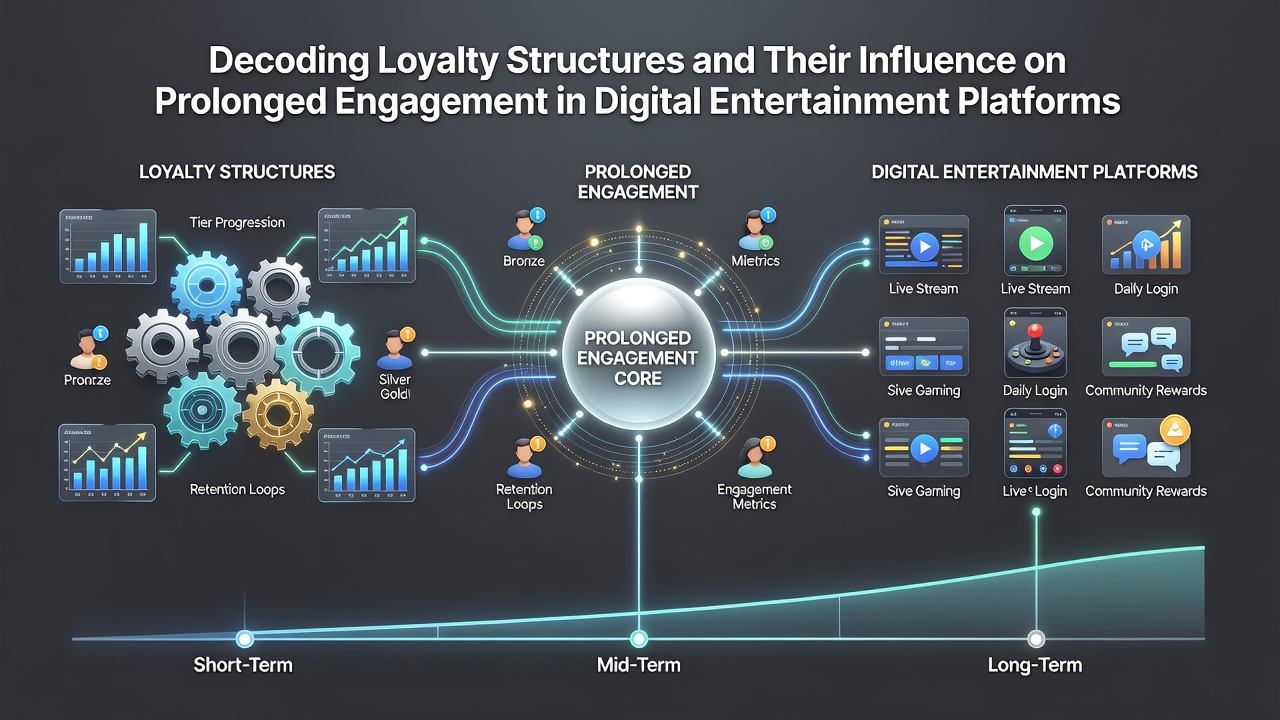
Take one case where experts analyzed subscription video services and found that loyalty members maintained accounts 40 percent longer on average than non-members, although external factors like content library size also contributed. Industry organizations such as the Entertainment Software Association compile annual data that track these patterns across console and PC ecosystems, revealing consistent links between reward visibility and session frequency. Yet platform operators adjust structures when user feedback indicates diminishing returns on certain incentive types.
Influences from Policy and Technology in 2026
Regulatory updates scheduled around mid-2026 in several jurisdictions require clearer disclosure of how loyalty data influences recommendation algorithms, and this transparency affects how users perceive value in continued participation. Technology advancements including enhanced biometric logins and predictive analytics further streamline reward delivery, reducing friction that previously interrupted engagement flows. According to research coordinated through the European Audiovisual Observatory, platforms incorporating these tools report steadier growth in repeat interactions across diverse content categories.
But here's the thing: loyalty structures do not operate in isolation, since external competition from new entrants often prompts existing services to refresh their reward catalogs and introduce limited-time events that temporarily boost activity spikes. Those who've studied this know that combining loyalty with live events or collaborative challenges produces stronger retention signals than standalone point systems alone.
Conclusion
Evidence from multiple data sources demonstrates that loyalty structures shape prolonged engagement by aligning platform objectives with user motivations through systematic rewards and progression pathways. Continued monitoring of these mechanisms will remain essential as digital entertainment evolves, with ongoing adaptations ensuring relevance amid shifting user expectations and technological capabilities.