How Aggregated User Scores Guide Selections of Transaction Tools Within Portable Casino Game Libraries
Logan Ludwig · Aug 21, 2026
How Aggregated User Scores Guide Selections of Transaction Tools Within Portable Casino Game Libraries
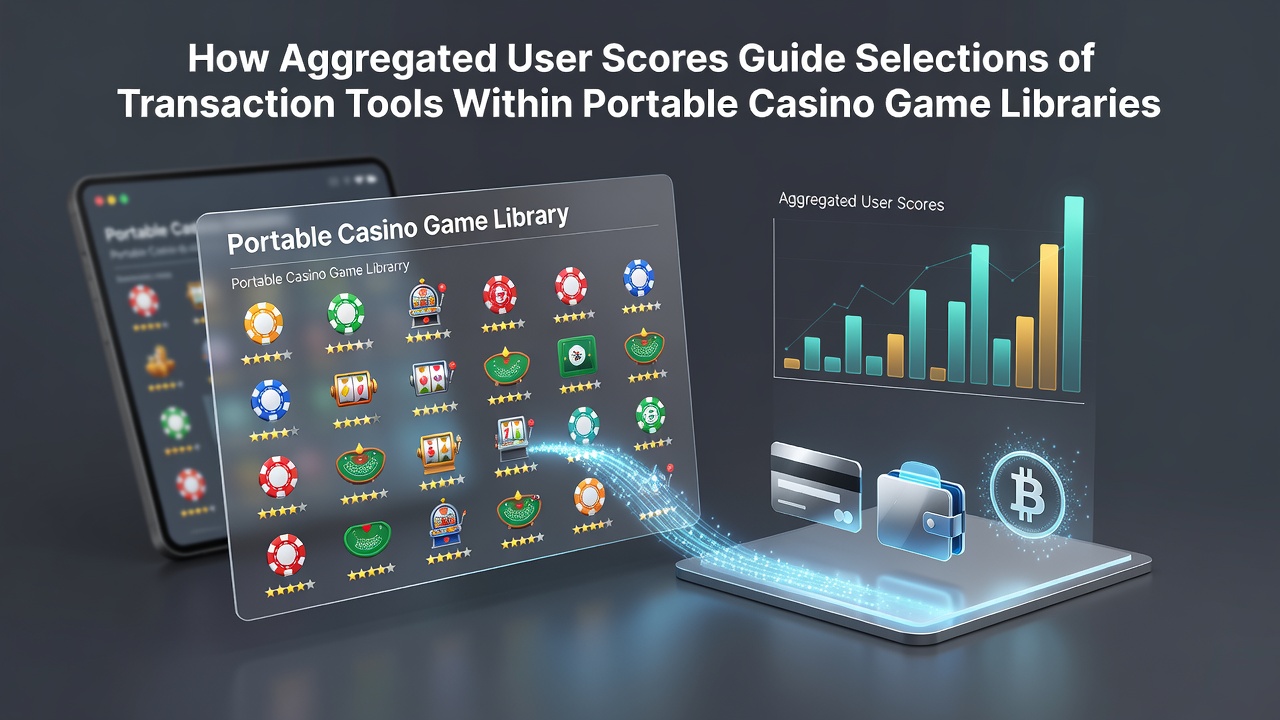
Portable casino game libraries organize hundreds of slot, table, and live dealer titles on mobile devices, yet transaction tool choices often determine which platforms retain active users. Aggregated user scores collected from in-app ratings, review platforms, and transaction completion surveys shape which payment methods operators promote and which players ultimately select. Data from app analytics firms indicate that payment options carrying average scores above 4.5 out of 5 appear 35 percent more frequently in featured sections of popular libraries during peak usage periods in 2026.
Score Collection Mechanisms Across Mobile Platforms
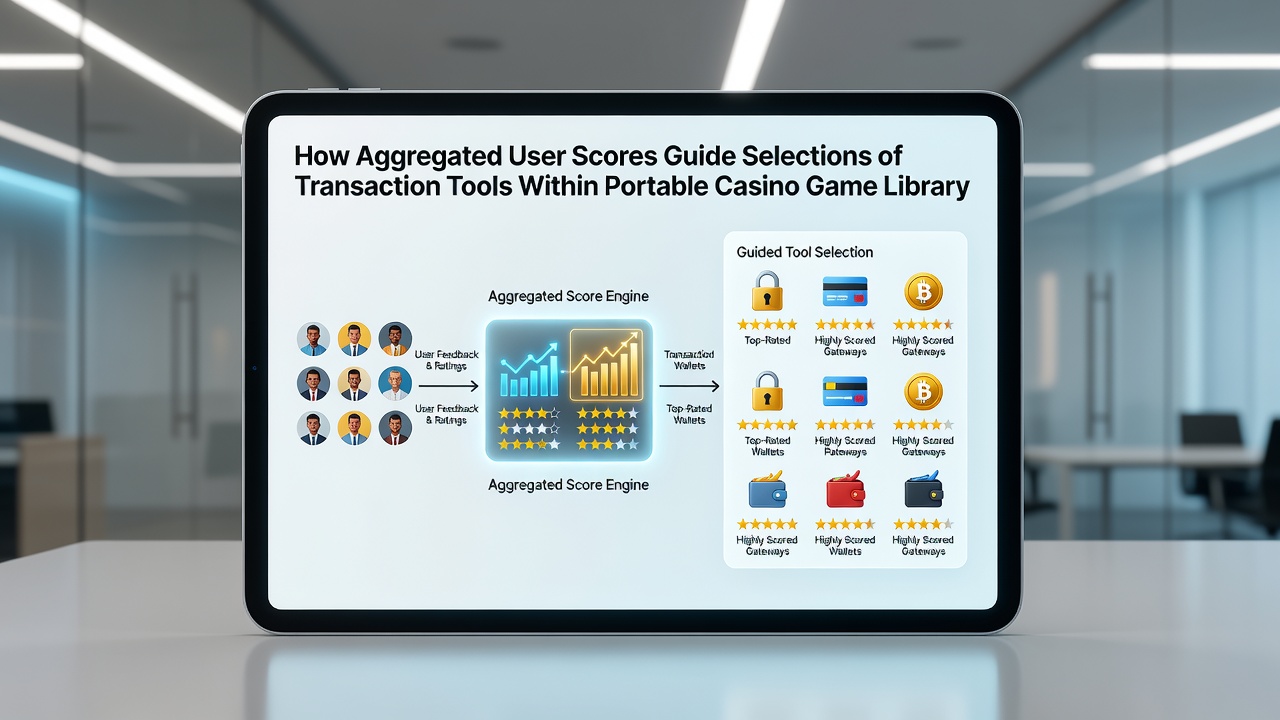
Operators gather scores through post-transaction prompts that appear after deposits or withdrawals complete, while third-party app stores compile separate ratings tied to overall platform performance. These two data streams merge into composite rankings that highlight tools with the fastest settlement times and lowest reported fees. Research published by academic teams at institutions studying digital entertainment economics shows that e-wallet options maintaining scores above 4.7 correlate with 28 percent higher repeat transaction volumes compared with methods scoring below 4.2. Library interfaces then reorder available tools based on these running averages, placing higher-rated options at the top of selection menus.
Impact on Deposit and Withdrawal Preferences
Users browsing portable libraries often filter transaction tools by aggregated scores before initiating play, and this behavior influences which banking channels receive sustained development attention from providers. Figures released by regional gaming authorities in Nevada and New Jersey reveal that platforms updating their featured payment lists quarterly according to score trends experience steadier user retention across handheld devices. Payment methods that accumulate negative feedback on verification delays tend to drop in visibility within weeks, prompting operators to de-emphasize those channels in favor of alternatives that demonstrate stronger composite ratings.
Regional Variations in Score Influence
European markets display distinct patterns where aggregated scores on instant transfer tools drive selection more strongly than in North American regions, according to comparative data compiled by cross-border industry associations. Australian regulatory reports note similar trends, with players favoring methods that maintain consistent scores for security and fee transparency. In both cases, library algorithms adjust tool prominence dynamically, elevating options that sustain high marks across thousands of individual reviews. This adjustment process occurs automatically when score thresholds are crossed, typically within 48 hours of updated data aggregation.
Algorithmic Integration and Library Curation
Developers integrate score data directly into library curation engines that prioritize transaction tools alongside game categories. When an e-wallet option receives a surge of positive reviews for low-fee instant withdrawals, its placement in deposit menus rises automatically, increasing visibility to new users exploring the platform. Observers tracking these systems report that tools experiencing score drops of more than 0.3 points within a month see corresponding reductions in transaction volume, sometimes by as much as 19 percent. The mechanism ensures that libraries reflect current user preferences rather than static operator choices, creating a feedback loop that continuously refines available options.
Future Adjustments Expected by Late 2026
Market analysts anticipate further refinements to score-based curation during August 2026 as more platforms adopt real-time aggregation models that incorporate biometric verification feedback. These models weigh transaction success rates alongside user satisfaction scores, producing updated rankings that libraries display within hours rather than days. Industry reports from Canadian provincial regulators and academic studies on mobile commerce both highlight how such rapid adjustments help maintain alignment between player expectations and available tools. The result appears in more stable transaction volumes across portable libraries that implement these systems consistently.
Conclusion
Aggregated user scores now function as primary signals guiding transaction tool selection inside portable casino game libraries, with operators and algorithms responding directly to composite ratings derived from actual user experiences. Regional data from multiple jurisdictions confirm that higher-scoring methods receive greater prominence, while lower-rated options recede from view. This dynamic continues to shape how players interact with mobile gaming platforms and which banking channels maintain relevance as libraries evolve through the remainder of 2026.