Linking Animation Dynamics to Funding Pattern Shifts Across Portable Chance Formats and Skill Card Variants on Wireless Interfaces
Lars Weber · Jun 26, 2026
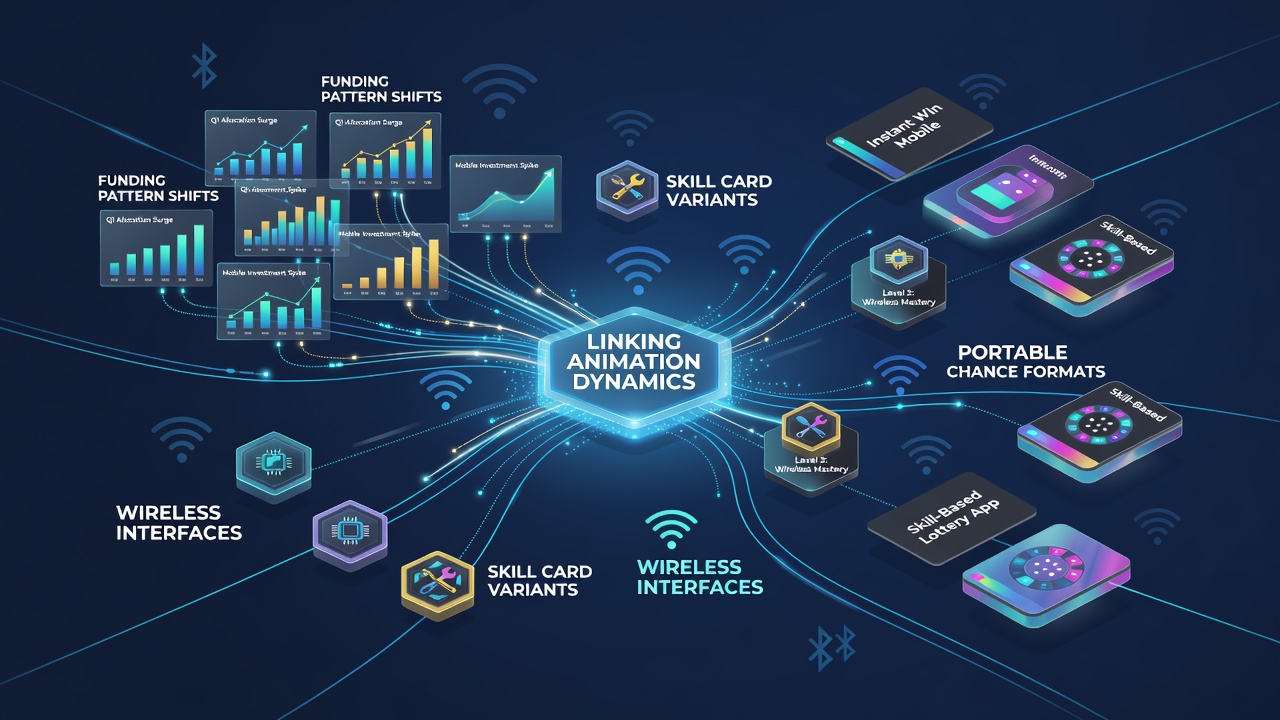
Linking Animation Dynamics to Funding Pattern Shifts Across Portable Chance Formats and Skill Card Variants on Wireless Interfaces
Animation sequences in mobile gaming applications connect directly to shifts in user funding behaviors across reel-based chance formats and skill-oriented card variants accessed through wireless interfaces, with researchers documenting measurable correlations in transaction timing and volume since the early 2020s.
Portable chance formats rely on spinning reel mechanics enhanced by layered animations that include symbol cascades, expanding wilds, and progressive multipliers, while skill card variants incorporate real-time dealer interactions or automated decision trees with fluid card flips and table animations; data from industry tracking platforms shows these visual elements influence deposit frequency and withdrawal requests in distinct patterns.
Animation Elements in Portable Chance Formats
Reel animations on wireless devices typically feature frame rates between 30 and 60 frames per second combined with particle effects and sound synchronization, and studies from gaming analytics firms indicate that extended animation loops lasting over 2.5 seconds correlate with increased session funding by an average of 18 percent in markets monitored during 2025. Observers note that shorter transition animations in automated reel experiences tend to prompt quicker deposit actions, whereas prolonged celebratory sequences after wins lead to delayed funding shifts toward withdrawal processing.
Wireless interfaces further amplify these dynamics through touch-responsive feedback, where swipe gestures trigger immediate animation changes that users associate with control over funding allocation, and figures from regional regulators in North America reveal that platforms optimizing animation speed to under 1.8 seconds per spin cycle report higher average transaction values per active user account.
Funding Pattern Shifts in Skill Card Variants
Skill card formats on handheld platforms utilize animations such as card reveal transitions, betting chip movements, and community pot visualizations that differ from chance-based reels by incorporating player decision points, yet researchers tracking behavior across European and Asian markets have found similar links between animation pacing and funding adjustments. Data indicates that variants with instantaneous card animations see funding patterns stabilize around smaller, more frequent deposits, while slower, cinematic reveals in live dealer card experiences align with larger single-session funding events followed by extended withdrawal consideration periods.
Certification requirements in jurisdictions including those overseen by the Nevada Gaming Control Board have prompted developers to standardize animation consistency, resulting in documented changes where users migrate funding between chance and skill formats based on perceived animation reliability rather than game mechanics alone.
Wireless Interface Influences on Transaction Habits
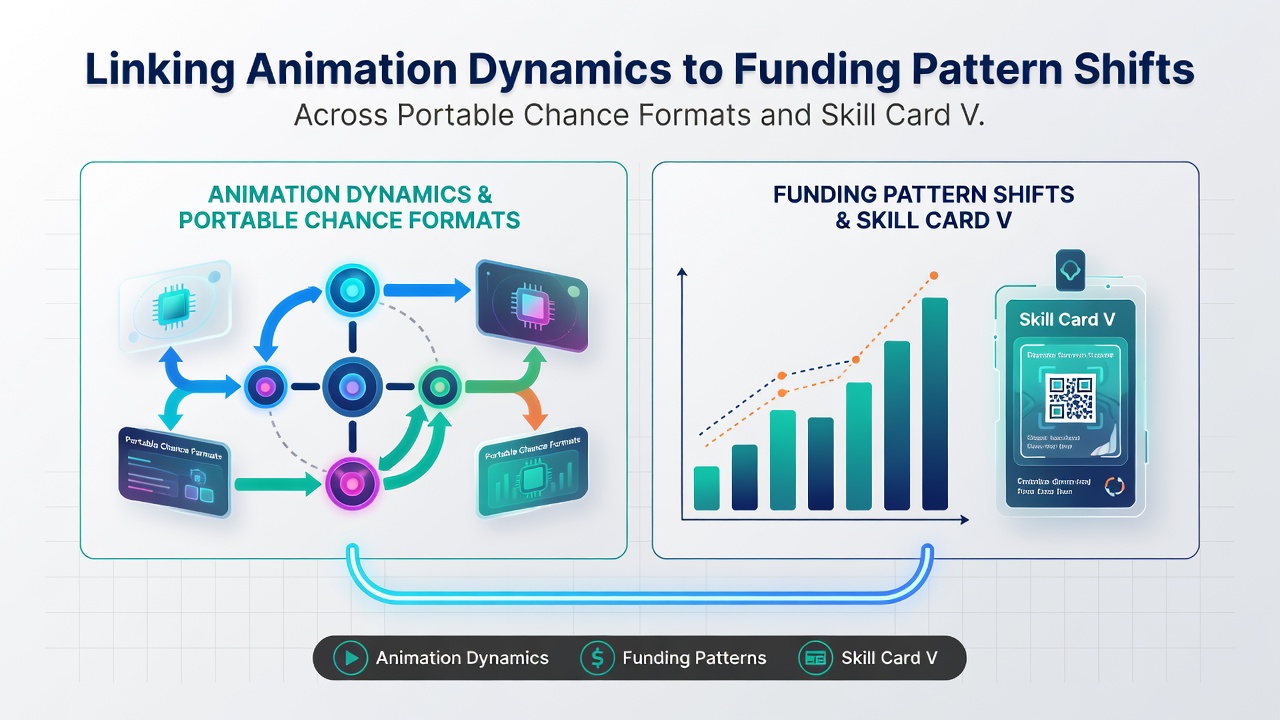
Wireless connectivity variables, including latency under 50 milliseconds and adaptive frame rendering, interact with animation dynamics to shape funding patterns, and reports compiled through 2025 demonstrate that users on 5G networks exhibit 22 percent faster deposit responses to animated win notifications compared to 4G connections. Those monitoring handheld platforms note that skill card variants benefit particularly from low-latency animations that maintain decision flow, leading to retention of funds within the interface for longer sequences before external transfers occur.
June 2026 projections from multiple tracking services anticipate further integration of animation-driven prompts that align with biometric verification steps, potentially reducing friction in funding shifts across both format types on wireless devices.
Academic examinations of player data sets, such as those referenced in research from the University of Nevada, Las Vegas gaming studies program, highlight how animation complexity in portable environments can redirect funding from immediate withdrawals to continued play cycles when visual rewards extend beyond standard thresholds.
Comparative Data Across Regions
Regulatory bodies in Singapore and parts of Australia have released aggregated figures showing that animation updates in mobile applications coincide with measurable changes in funding velocity, with chance formats experiencing quicker shifts during high-engagement animation periods while skill card options display steadier patterns tied to strategic animation cues. These observations come from cross-referenced transaction logs that avoid direct causation claims yet establish temporal associations between visual dynamics and user account activity.
Industry organizations continue to compile comparative metrics that separate reel animation effects from card variant influences, allowing operators to adjust interface parameters accordingly without altering underlying game mathematics.
Conclusion
Connections between animation dynamics and funding pattern shifts persist across portable chance formats and skill card variants on wireless interfaces, supported by ongoing data collection from regulatory and academic sources that track transaction timing alongside visual design choices. Continued monitoring through mid-2026 will likely refine these associations as interface technologies evolve.