Loyalty Tier Mechanics Linking Deposit Habits to Game Format Choices in Wireless Environments
Petra Hansen · Jul 12, 2026
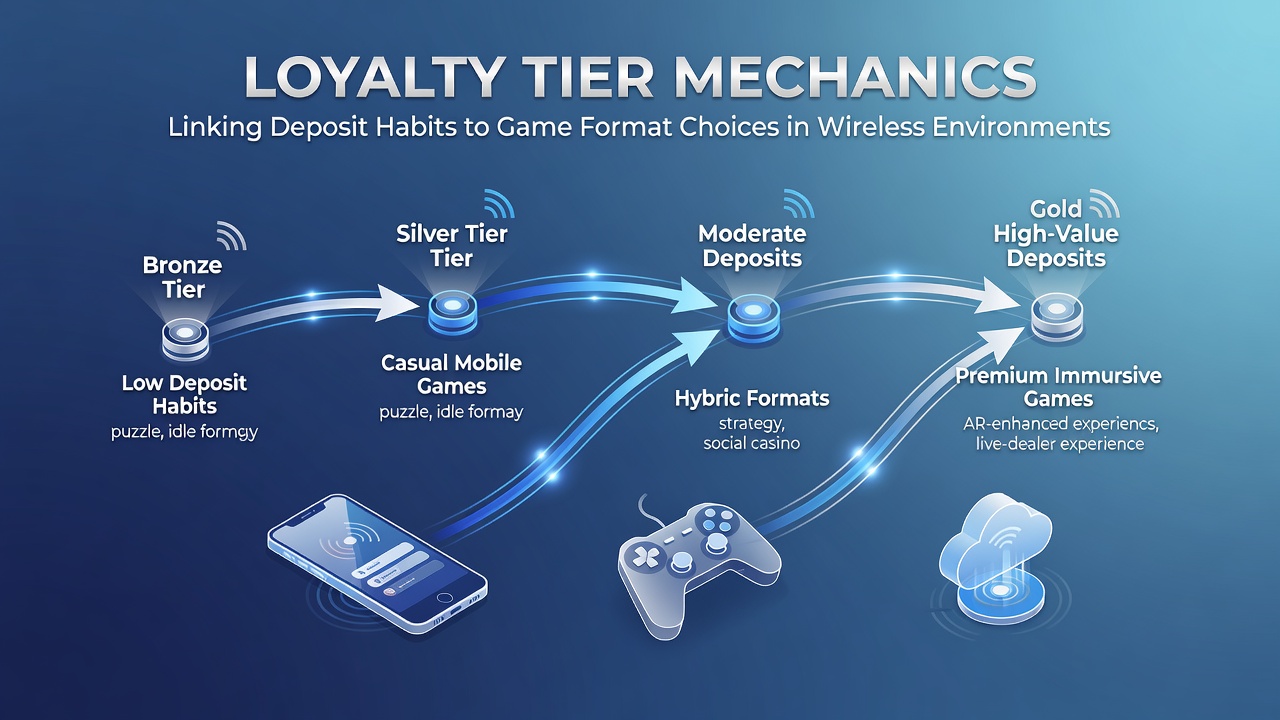
Loyalty Tier Mechanics Linking Deposit Habits to Game Format Choices in Wireless Environments
Operators structure loyalty programs around cumulative deposit amounts that unlock progressive tiers, and these systems directly shape how players allocate their activity across slot machines, table games, and live dealer formats in mobile settings. Deposit frequency and size serve as the primary metrics, with algorithms assigning points that determine tier status and associated benefits such as cashback percentages, bonus multipliers, and access to exclusive game libraries.
Deposit Patterns Driving Tier Advancement
Players who maintain consistent deposit schedules reach higher tiers faster because most platforms calculate status based on rolling 30-day or 90-day windows, and data from multiple operators shows that weekly deposits exceeding certain thresholds accelerate progression by two to three levels within a single quarter. Lower tiers typically reward volume through free spins on automated reels, whereas mid-tier benefits expand to include table game rake rebates and higher withdrawal limits that encourage shifts toward skill-based formats.
Research indicates that once players cross into premium tiers, their average deposit size increases by 25 to 40 percent, which in turn locks them into the program through escalating reward structures. Those who study these mechanics note that the system creates a feedback loop where larger deposits unlock perks tailored to specific game categories, prompting users to sample formats they previously avoided.
Format Selection Shifts Across Tiers
Entry-level participants gravitate toward high-volume slot sessions because base rewards emphasize reel spins and instant-win mechanics, yet observers have documented a measurable migration toward live dealer tables once players attain silver or gold status. Perks at these levels often include reduced house edges on blackjack variants or priority seating in mobile live lobbies, and figures from platform analytics reveal that gold-tier users spend 35 percent more time in dealer-hosted environments compared with their bronze-tier counterparts.
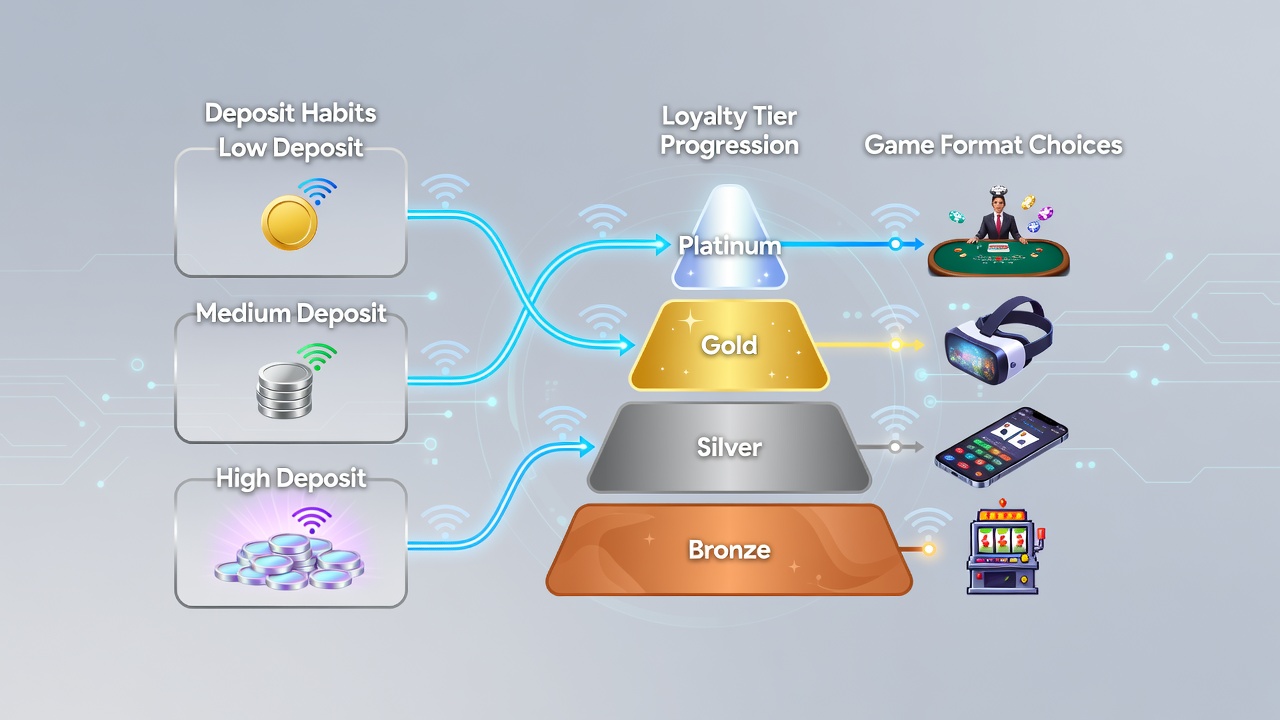
Platinum and diamond tiers introduce further differentiation through personalized cashback schedules that favor table game play and loyalty-exclusive progressive jackpots tied to live formats. One study revealed that players who reach these upper levels adjust their game mix within 60 days, allocating more bankroll to formats that maximize the value of their tier-specific multipliers, while wireless interfaces make these transitions seamless through unified wallet systems and push notifications highlighting available benefits.
Wireless Interface Factors in Tier Engagement
Mobile platforms integrate loyalty dashboards directly into game lobbies, allowing real-time visibility into deposit progress and upcoming rewards, and this transparency influences format choices because users can immediately see which games contribute most efficiently to their tier goals. Authentication protocols that link deposit history to biometric verification further streamline the experience, reducing friction that might otherwise deter players from experimenting with new categories.
As of July 2026, several major operators introduced tiered mobile exclusives that reward live dealer participation with accelerated point accrual, and regulatory filings show corresponding upticks in cross-format engagement among high-deposit users. These updates align with broader industry patterns where wireless environments facilitate quicker shifts between automated and interactive content based on tier incentives.
Regional Data and Platform Comparisons
According to reports compiled by the Nevada Gaming Control Board, mobile loyalty programs in regulated markets demonstrate stronger correlations between deposit volume and live game adoption than land-based equivalents, with tier progression explaining up to 48 percent of format variance among tracked accounts. Separate analysis from the Australian Gambling Research Centre found similar patterns in handheld environments, noting that players advancing through loyalty tiers exhibited measurable increases in table game session lengths when wireless bonus structures favored those formats.
Payment method integration plays a supporting role, as platforms that tie deposit speed to tier points see faster progression among users favoring e-wallets, which in turn affects their willingness to try higher-stakes live dealer tables once benefits activate. Observers note that these mechanics operate consistently across regions despite differing regulatory frameworks, creating predictable pathways from deposit behavior to game selection.
Conclusion
Loyalty tier systems in wireless casino environments establish clear linkages between deposit habits and subsequent game format preferences through structured reward progressions and mobile-optimized interfaces. Data from regulatory bodies and academic research centers confirms that tier advancement prompts measurable reallocations of play across slots, tables, and live dealer options, with benefits calibrated to encourage exploration of higher-margin categories. These dynamics continue to evolve as platforms refine their algorithms and introduce new tier-specific features tailored to portable devices.