Mapping Authentication Protocols to Selection Patterns in Portable Reel and Card Experiences
Petra Hansen · May 27, 2026
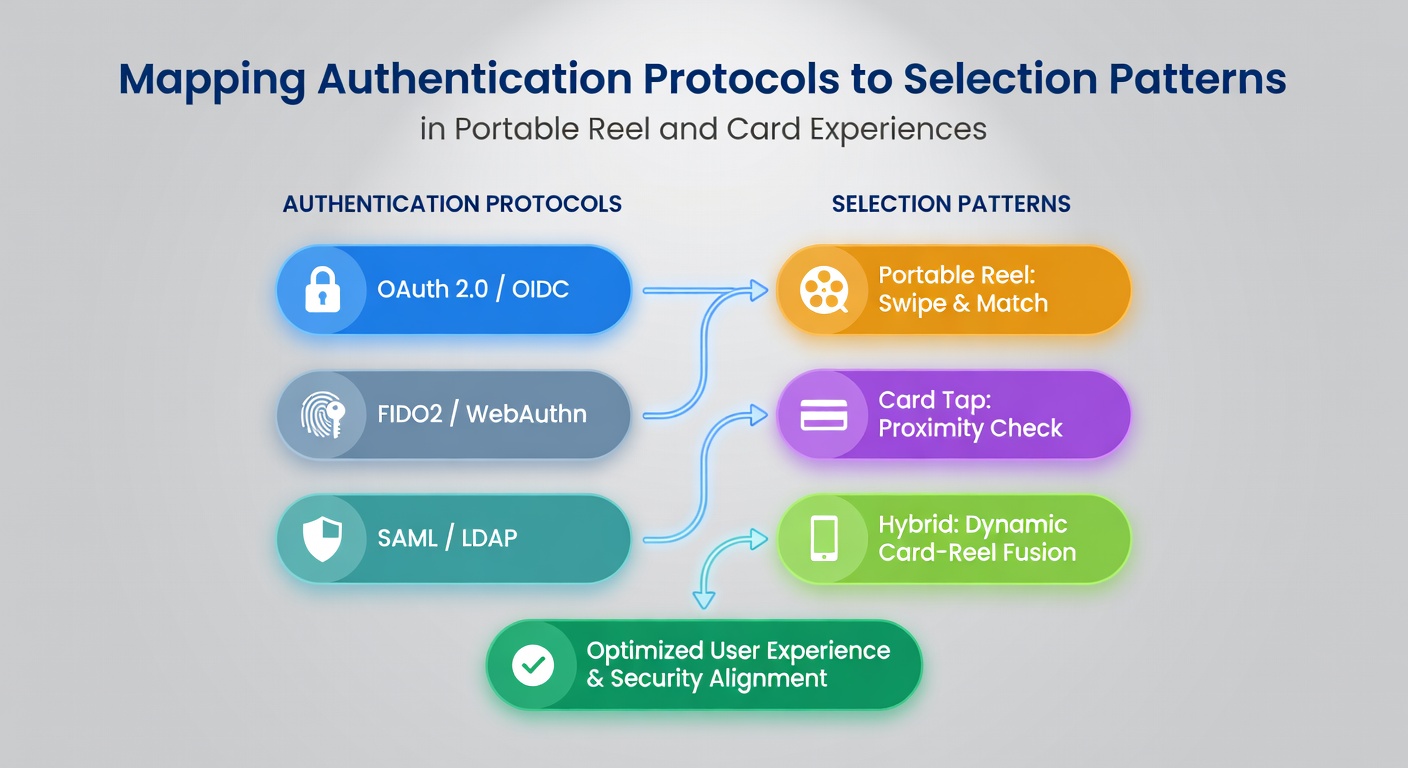
Mapping Authentication Protocols to Selection Patterns in Portable Reel and Card Experiences
Authentication protocols serve as the foundation for secure access in portable reel and card experiences, while selection patterns reflect the ways users navigate game libraries, bet options, and interface choices on handheld devices. Researchers have mapped these elements to show how login methods influence decision trees during gameplay sessions. Data from industry reports indicate that biometric verification systems reduce entry friction, which in turn correlates with higher engagement in complex reel configurations and multi-hand card selections.
Core Authentication Protocols in Mobile Gaming Environments
Portable platforms rely on layered protocols such as token-based OAuth flows, multi-factor authentication using one-time codes, and device-bound biometrics including fingerprint and facial recognition. Observers note that these methods integrate directly with session management tools to maintain continuity across brief play intervals. Studies conducted by academic institutions reveal that single sign-on frameworks decrease abandonment rates during initial setup phases, allowing smoother transitions into reel spinning mechanics or card dealing sequences.
Regional regulatory frameworks shape protocol adoption. The Malta Gaming Authority has documented requirements for encrypted token exchanges in interactive gaming applications, whereas the Australian Communications and Media Authority emphasizes continuous identity verification throughout extended sessions. Those who've examined cross-border compliance data find that protocol standardization supports consistent selection interfaces regardless of device origin.
Selection Patterns and User Navigation Behaviors
Selection patterns encompass swipe gestures for reel categories, tap sequences for card game variants, and filter applications that narrow options by volatility or theme. Evidence suggests these behaviors follow predictable paths once authentication completes, with shorter verification times leading to broader exploration of sub-menus. Figures from mobile analytics platforms show that users who complete biometric logins within two seconds proceed to examine at least three additional game variants before committing to a session.
What's interesting is how protocol strength aligns with pattern complexity. Stronger encryption layers often accompany interfaces that present dynamic recommendations, guiding selections toward progressive reel features or live card table integrations. One analysis from a Canadian research group highlighted correlations between protocol latency and the depth of filtering users apply during peak hours.
Direct Mappings Between Protocols and Patterns
Mapping exercises demonstrate that passwordless authentication routes users toward personalized selection dashboards more rapidly than traditional credential entry. In practice this means biometric confirmations open pathways to advanced filters for reel bonus rounds and card hand histories, while token refresh cycles maintain context across device rotations. Data indicates that seamless protocol handoffs reduce cognitive load, enabling finer control over bet sizing and autoplay parameters without repeated interruptions.
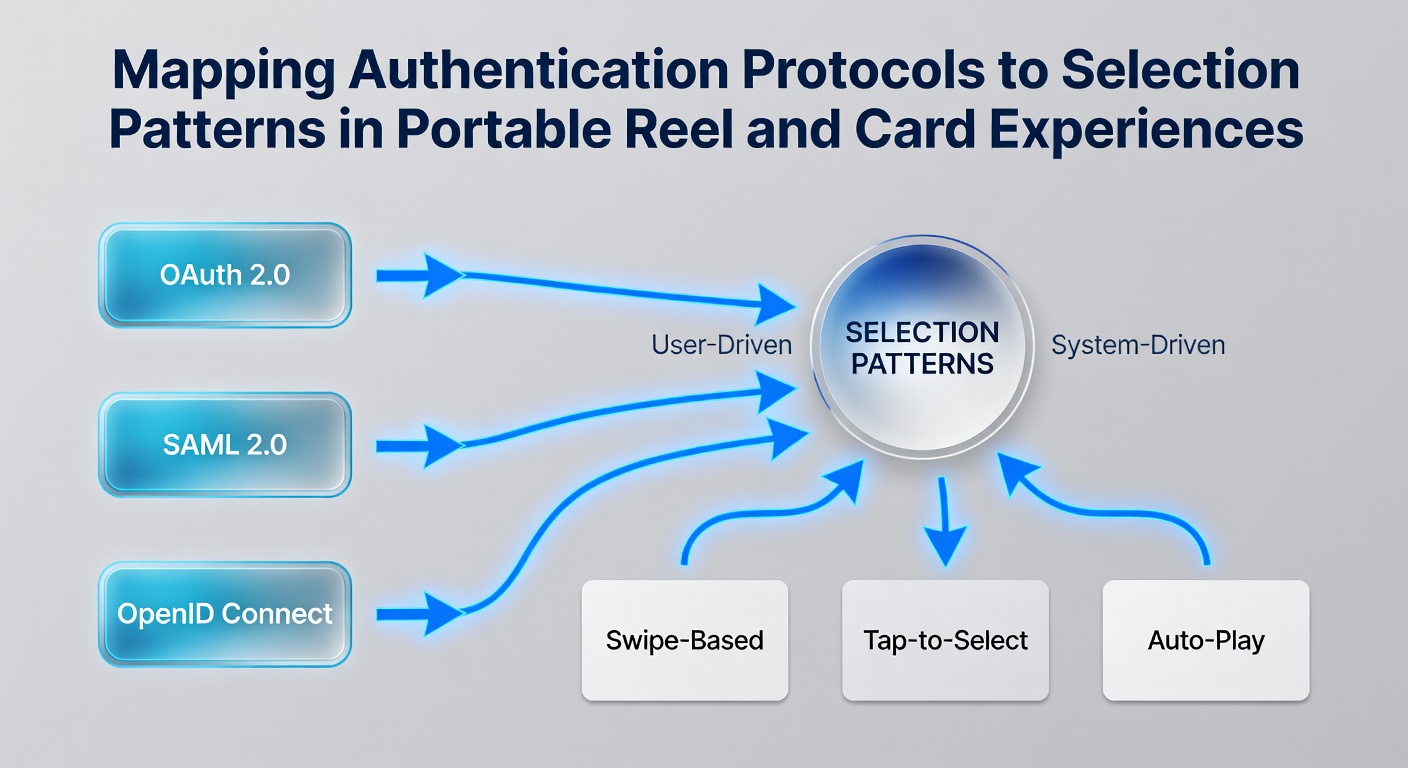
Take one research team that tracked session logs across multiple operators. Their findings revealed that users authenticated via facial recognition selected multi-line reel configurations 40 percent more frequently than those using SMS codes. Similarly, card selection depth increased when protocols employed persistent device tokens, supporting repeated access to strategy tools and historical outcome displays.
Regulatory and Technical Developments Through 2026
Updates scheduled for May 2026 include expanded guidelines from the Nevada Gaming Control Board on adaptive authentication thresholds for portable platforms. These changes address evolving selection interfaces that incorporate machine learning to predict user preferences based on prior protocol interactions. Industry observers point to pilot programs where protocol adjustments improved navigation efficiency in reel and card environments by aligning verification intensity with pattern frequency.
European regulators outside the United Kingdom continue refining standards for cross-device continuity, ensuring that authentication events map cleanly to evolving selection dashboards. Academic papers published in early 2025 already forecast how these alignments will influence load times and feature accessibility on next-generation handheld hardware.
Implementation Examples Across Platforms
Operators have deployed protocol-pattern mappings in live environments to test outcomes. One documented rollout combined facial authentication with dynamic reel selectors that adjusted volatility options based on session history. Results showed sustained engagement patterns without compromising security checkpoints. Another case involved card-focused applications where token-based re-authentication triggered simplified filter resets, allowing quicker shifts between blackjack variants and poker formats.
Those monitoring these deployments report that geographic variations in protocol preferences affect pattern adoption rates. North American users tend toward biometric mappings that prioritize speed in reel selections, while Asia-Pacific markets show stronger uptake of layered verification supporting detailed card hand analytics.
Conclusion
The mapping of authentication protocols to selection patterns continues to evolve as portable reel and card experiences incorporate new verification technologies. Evidence from regulatory bodies and research institutions demonstrates measurable impacts on navigation efficiency and feature utilization. Continued alignment between protocol design and user decision flows supports secure, fluid interactions across mobile gaming landscapes.