Mapping Certification Standards to Selection Habits Across Wireless Gaming Formats
Logan Ludwig · Jul 22, 2026
Mapping Certification Standards to Selection Habits Across Wireless Gaming Formats
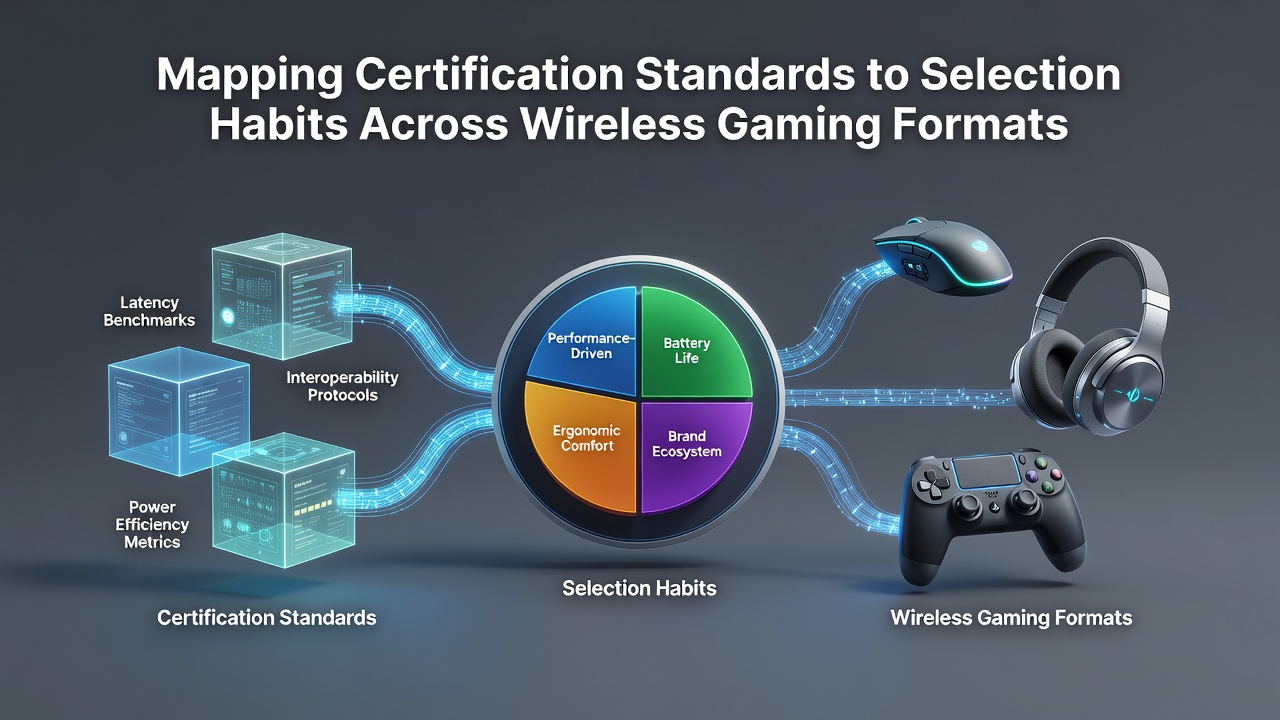
Certification standards in wireless gaming cover content ratings, hardware compatibility marks, and security protocols that shape how users approach game selection on mobile phones, handheld consoles, and wireless network environments. These markers provide verifiable signals about age appropriateness, device performance, and data protection, while selection habits reflect patterns observed across regional markets and platform ecosystems. Standards organizations issue these certifications through structured review processes that include technical testing and content evaluation. Data from industry reports shows that games carrying multiple certifications experience higher initial download rates in wireless formats, particularly when users filter options by rating icons or compatibility labels during app store searches.Content Rating Systems and User Filtering Patterns
Content rating systems such as those administered by the Entertainment Software Association in the United States assign age-based descriptors that appear on game listings for wireless platforms. Users in North American markets frequently apply these ratings as primary filters when browsing mobile game stores, narrowing results before examining gameplay previews or reviews. In contrast, European platforms integrate PEGI ratings that bundle additional descriptors for violence, language, and gambling elements, leading observers to note distinct selection sequences where players scan icons first, then cross-reference regional availability.
Research from academic studies indicates that families with children under twelve demonstrate consistent preference for titles displaying clear E or 3+ ratings across wireless handhelds, while adult users show broader tolerance yet still reference ratings when selecting multiplayer wireless formats that involve voice chat features.
Hardware and Network Compatibility Certifications
Technical certifications for wireless connectivity, including Bluetooth SIG qualifications and Wi-Fi Alliance interoperability marks, appear on both games and devices. These labels inform selection habits by signaling reliable performance on specific hardware generations. Data collected through platform analytics reveals that users upgrading wireless routers or mobile devices often prioritize games bearing updated compatibility certifications to avoid latency issues during online sessions.
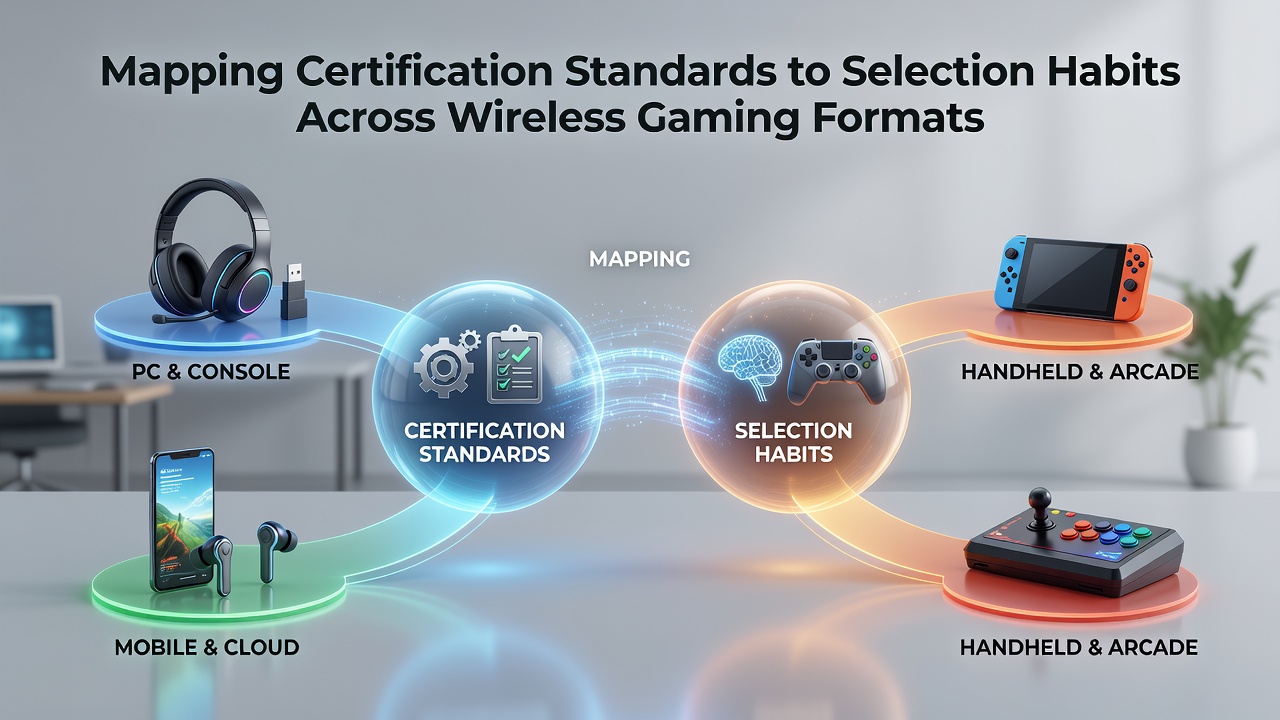
Manufacturers of handheld consoles publish lists of certified titles that meet controller latency and battery optimization benchmarks. Those who study player behavior report that certification visibility correlates with longer engagement periods on wireless networks, because users select titles they expect will function without additional configuration steps.
Security and Privacy Standards in Wireless Environments
Security certifications such as ISO 27001 for data handling and regional privacy compliance marks influence selection when games require account creation or cloud saves over wireless connections. Reports issued by government agencies in Canada document increased scrutiny of privacy labels following regulatory updates in 2025, with users demonstrating higher selection rates for titles carrying explicit data encryption assurances.
Platform operators in Australia have tracked similar patterns where privacy certifications serve as secondary filters after content ratings. July 2026 updates to classification guidelines in that region introduced new wireless-specific descriptors for data sharing practices, prompting measurable shifts in how users prioritize certified options during peak browsing hours.
Cross-Platform Selection Trends
Wireless gaming formats span mobile applications, portable consoles, and browser-based experiences that share overlapping certification frameworks. Comparative data from trade associations shows that users who maintain accounts across multiple wireless ecosystems apply consistent certification criteria when migrating between devices. Selection sequences often begin with rating verification, proceed to hardware compatibility checks, and conclude with privacy label review before final download decisions.
Industry tracking indicates that certification density, defined as the number of distinct marks displayed per title, correlates with cross-platform retention metrics in wireless environments. Those monitoring these trends note that developers increasingly submit games for parallel certification processes to align with observed user filtering behaviors.
Conclusion
Certification standards function as navigational tools within wireless gaming ecosystems, guiding selection habits through standardized visual and textual cues. Mapping these standards to observed patterns reveals consistent filtering sequences across regions and device types, supported by data from regulatory bodies, industry groups, and platform analytics. Continued evolution of these frameworks, including July 2026 guideline adjustments, maintains their relevance to user decision processes in expanding wireless gaming landscapes.