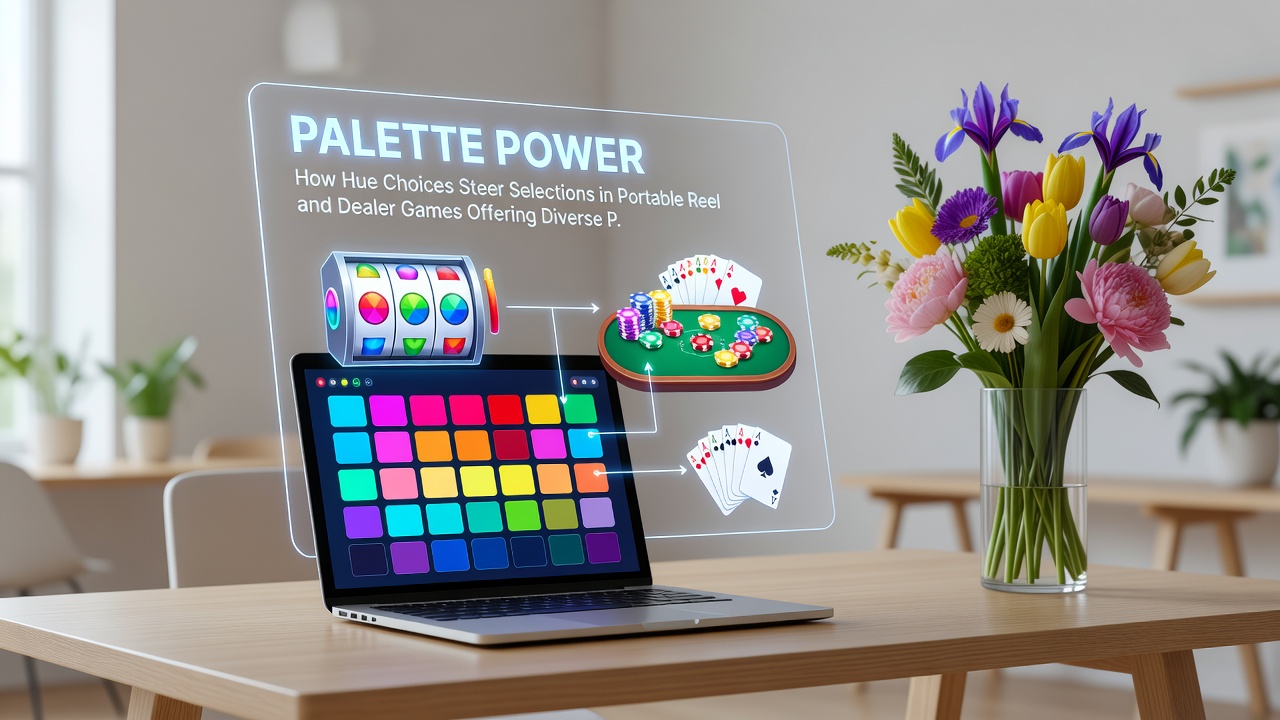
Palette Power: How Hue Choices Steer Selections in Portable Reel and Dealer Games Offering Diverse Payout Pathways
Logan Ludwig · Jul 15, 2026
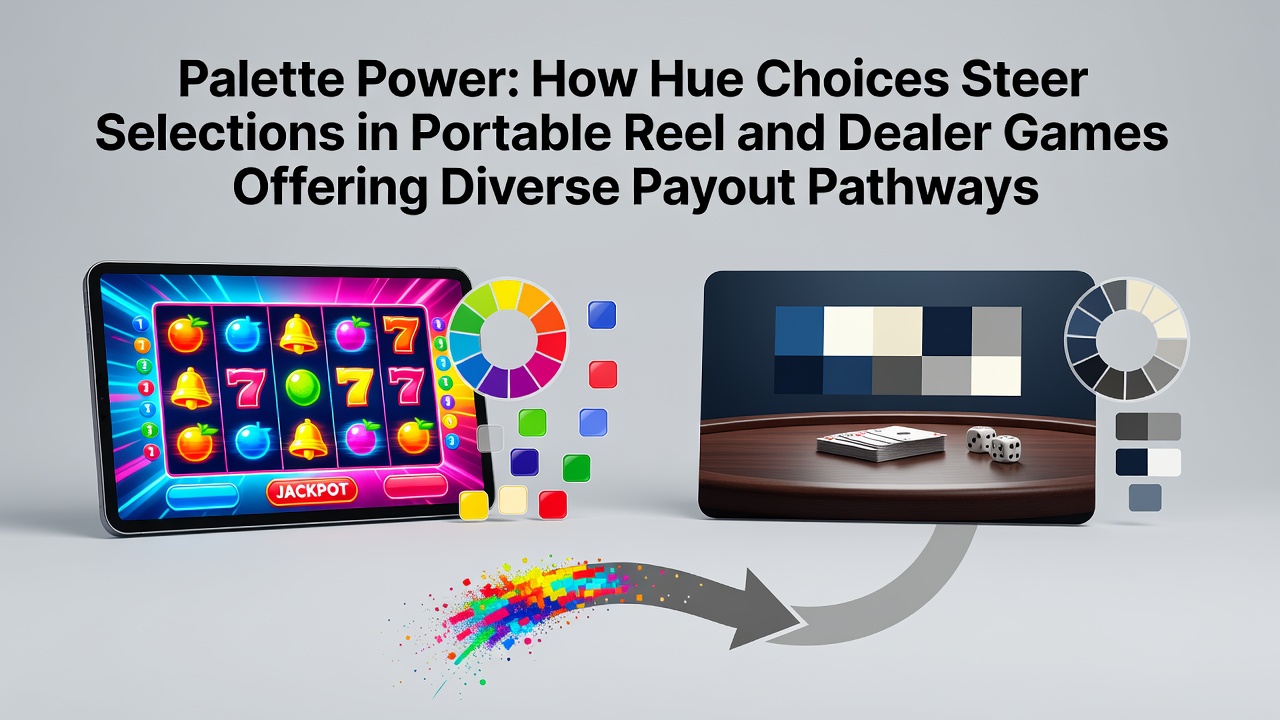
Palette Power: How Hue Choices Steer Selections in Portable Reel and Dealer Games Offering Diverse Payout Pathways
Observers note that color selections in mobile reel and dealer-hosted games shape how users navigate options and identify payout routes across handheld platforms. Research from interface design studies indicates that specific hues guide attention toward certain bet sizes, bonus triggers, and withdrawal methods while users interact with automated reels or live card tables. Data collected through user tracking in 2025 revealed consistent patterns where warm tones clustered near high-volatility payout displays and cooler shades appeared beside steady, smaller-return pathways. Design teams at major developers adjust saturation levels and contrast ratios to match regional preferences documented in player analytics reports. In markets tracked by the New Jersey Division of Gaming Enforcement, interfaces using deep reds and golds correlated with higher selection rates for progressive jackpot routes, whereas palettes dominated by blues and greens aligned more closely with frequent, lower-stake payout selections. These adjustments occur during updates released in quarterly cycles, including those rolled out ahead of July 2026 regulatory reviews.Color Application in Portable Reel Formats
Portable reel titles present multiple payout pathways through symbol clusters, multiplier indicators, and bonus round entrances, and hue placement determines which elements users examine first. Studies conducted by academic researchers at the University of Nevada, Reno found that orange accents positioned next to scatter symbols increased the likelihood of players activating those features within the first five spins of a session. Green borders around payline indicators, by contrast, directed selections toward fixed-line betting options rather than adjustable or all-ways configurations. Developers integrate these findings when updating mobile clients, testing variations against retention metrics supplied by platform operators. One documented case involved a title that shifted its primary palette from purple-dominant to teal-dominant; subsequent analytics showed a measurable redistribution of selections away from high-risk bonus buys and toward standard spin sequences offering multiple smaller payout steps. The change took effect in early 2026 and remained in place through subsequent compliance audits.Influence on Live Dealer Game Interfaces
Live dealer environments hosted on mobile devices incorporate color cues to highlight available side bets, insurance options, and progressive contributions alongside the main table action. Footage analysis from studio feeds combined with player interaction logs demonstrates that red-tinted chip stacks draw quicker selections during blackjack rounds, while yellow indicators next to baccarat tie bets correlate with steadier engagement across extended sessions. Operators adjust lighting overlays and digital overlays in real time to maintain consistency between physical tables and handheld displays. Figures released by the Australian Gambling Research Centre in late 2025 showed that hue modifications introduced in dealer games reduced average decision latency by measurable margins when users accessed payout pathway menus. These modifications also aligned with updates to instant transfer systems, allowing players to review withdrawal routes without leaving the active game screen.