Player Archetypes and Algorithmic Matching in Modern Digital Wagering Ecosystems
Uma Keller · Aug 19, 2026
Player Archetypes and Algorithmic Matching in Modern Digital Wagering Ecosystems
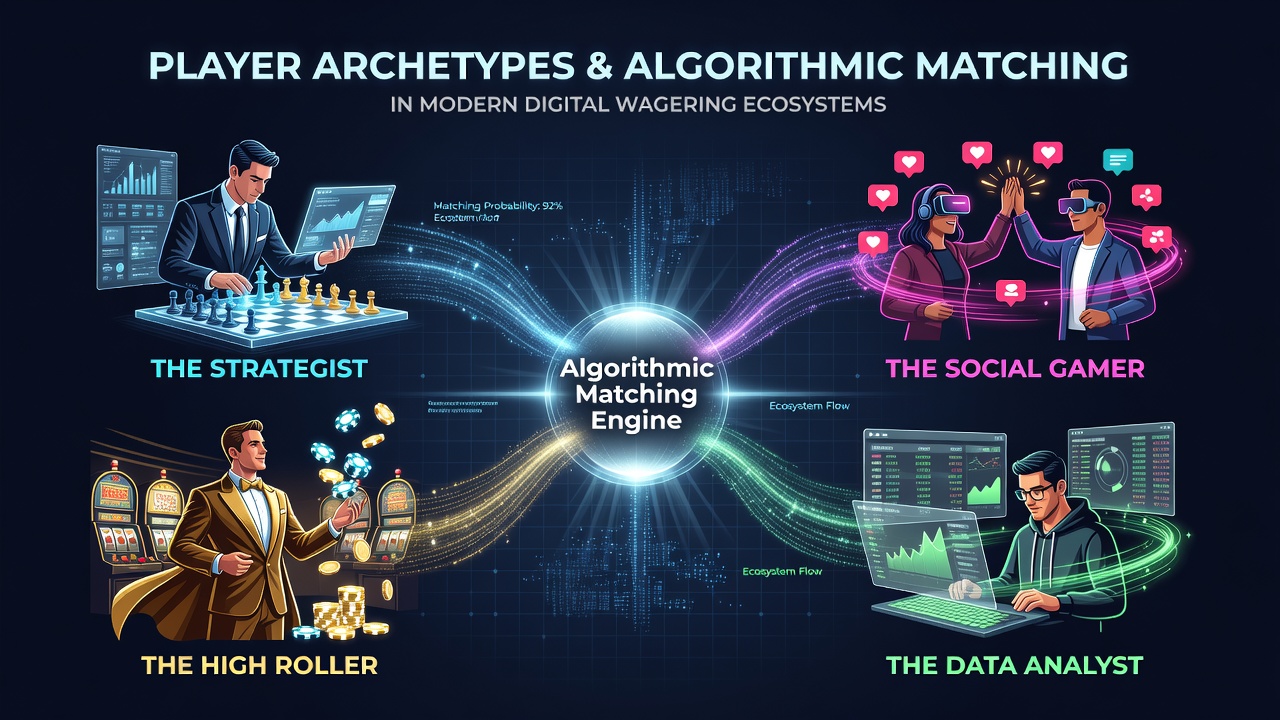
Digital wagering platforms categorize participants into distinct archetypes based on behavioral data collected from millions of sessions across mobile and desktop interfaces, and these classifications drive the algorithmic systems that deliver personalized game suggestions and promotional offers. Researchers at institutions tracking industry trends note that platforms segment users according to patterns in session length, bet sizing, game type preferences, and response rates to notifications, creating profiles that allow for precise matching between individual habits and available content.
Defining Core Player Archetypes
Platforms identify several recurring archetypes through analysis of transaction logs and engagement metrics, including the high-frequency casual participant who favors short sessions on automated reel games, the strategic table game enthusiast who spends extended periods reviewing odds and historical outcomes, and the social live-dealer user who interacts frequently during multiplayer formats. Data from North American operators shows that these groups display measurable differences in deposit frequency and average wager amounts, with casual users often completing between five and fifteen sessions per month while strategic players maintain steadier activity across longer timeframes.
Additional archetypes emerge when systems examine cross-game behavior, such as the bonus hunter who migrates between titles in search of promotional triggers and the loyalty-driven participant who returns to familiar interfaces regardless of external offers. Australian research centers have documented similar divisions in regional markets, where geographic and regulatory factors further refine how operators assign users to these categories.
How Algorithmic Systems Perform Matching
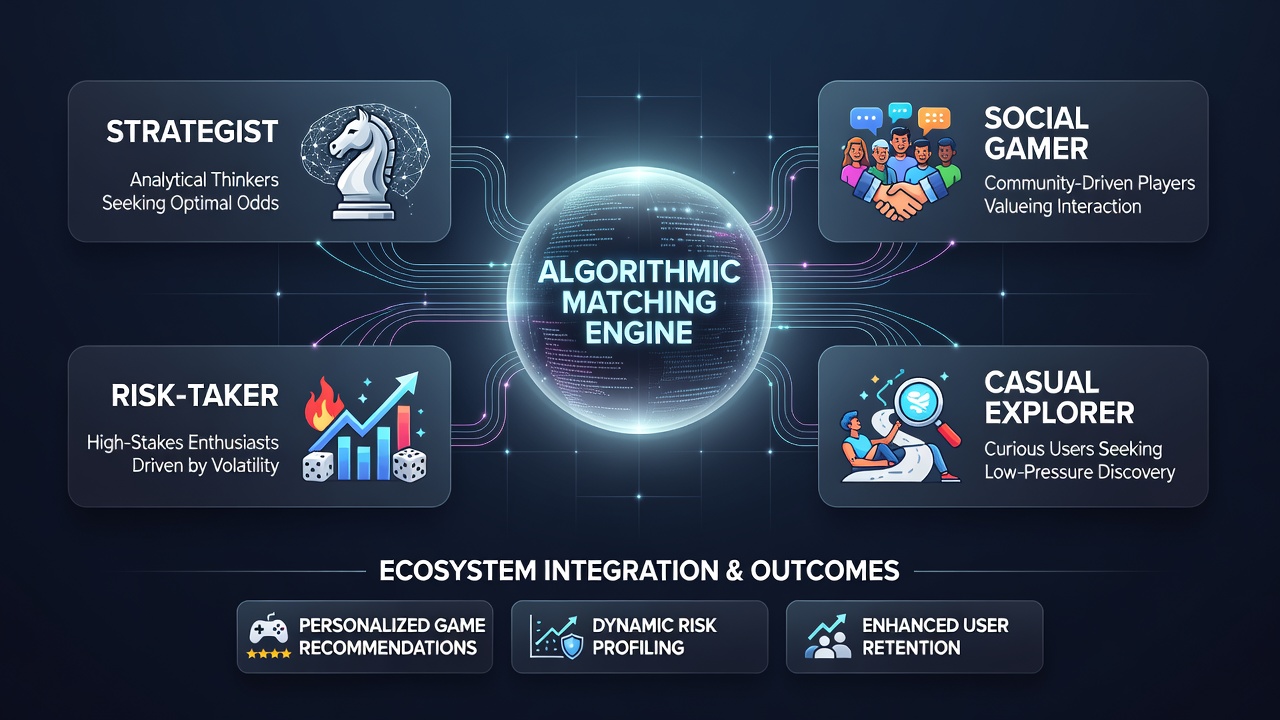
Matching algorithms process real-time inputs from user activity alongside stored archetype data to recommend specific games, adjust bonus structures, and time notifications for maximum relevance. These systems employ machine learning models trained on historical datasets that link archetype traits to retention outcomes, allowing platforms to route a high-frequency casual user toward quick-spin titles while directing strategic enthusiasts toward card and table variants with deeper statistical layers.
Operators integrate location data, device type, and time-of-day patterns into the matching process, producing dynamic adjustments that respond to shifts in individual behavior. For instance, when a user previously classified as bonus-focused begins extending session times on live formats, the algorithm updates the profile and alters subsequent recommendations accordingly, often within a single week of observed change.
Platforms operating in multiple jurisdictions apply these techniques while complying with local rules on data handling and responsible gaming prompts, and reports from Canadian regulatory bodies indicate that such matching capabilities have expanded notably since 2024 as operators scale their analytical infrastructure.
Regional Developments and Data Trends
By August 2026 several European and Asian markets had reported increased adoption of archetype-based matching following updates to data privacy frameworks, with operators citing improved user retention figures after implementation. Figures from industry associations in those regions reveal that platforms using advanced segmentation achieved measurable lifts in session completion rates compared with those relying on broader demographic targeting alone.
Academic studies published through university-affiliated gaming research programs continue to examine how these systems influence player movement across game categories, and early findings suggest that precise matching reduces the frequency of abrupt departures from specific titles. Observers tracking North American expansion note parallel growth in the use of biometric signals and device fingerprinting to refine archetype accuracy without requiring additional user input.
Integration with Payment and Verification Flows
Algorithmic matching extends beyond game selection to influence how platforms present deposit methods and withdrawal timelines, aligning these features with the preferences observed within each archetype. Casual users frequently receive prompts for instant e-wallet options during short sessions, whereas strategic participants encounter more detailed verification pathways tied to larger transaction volumes. This layered approach maintains consistency with broader platform goals of streamlining access while meeting regulatory standards across jurisdictions.
Conclusion
Player archetypes and algorithmic matching together form a core operational layer within contemporary digital wagering ecosystems, shaping how platforms deliver content and manage user journeys through continuous analysis of behavioral signals. As regulatory environments evolve and data collection methods advance, the precision of these systems continues to develop in line with documented industry metrics and regional compliance requirements.