Shadows of Chance: Mapping Cultural Event Cycles to Reward Mechanics and Funding Pathways in Digital Spinning and Card Formats
Hugo Sullivan · Aug 12, 2026
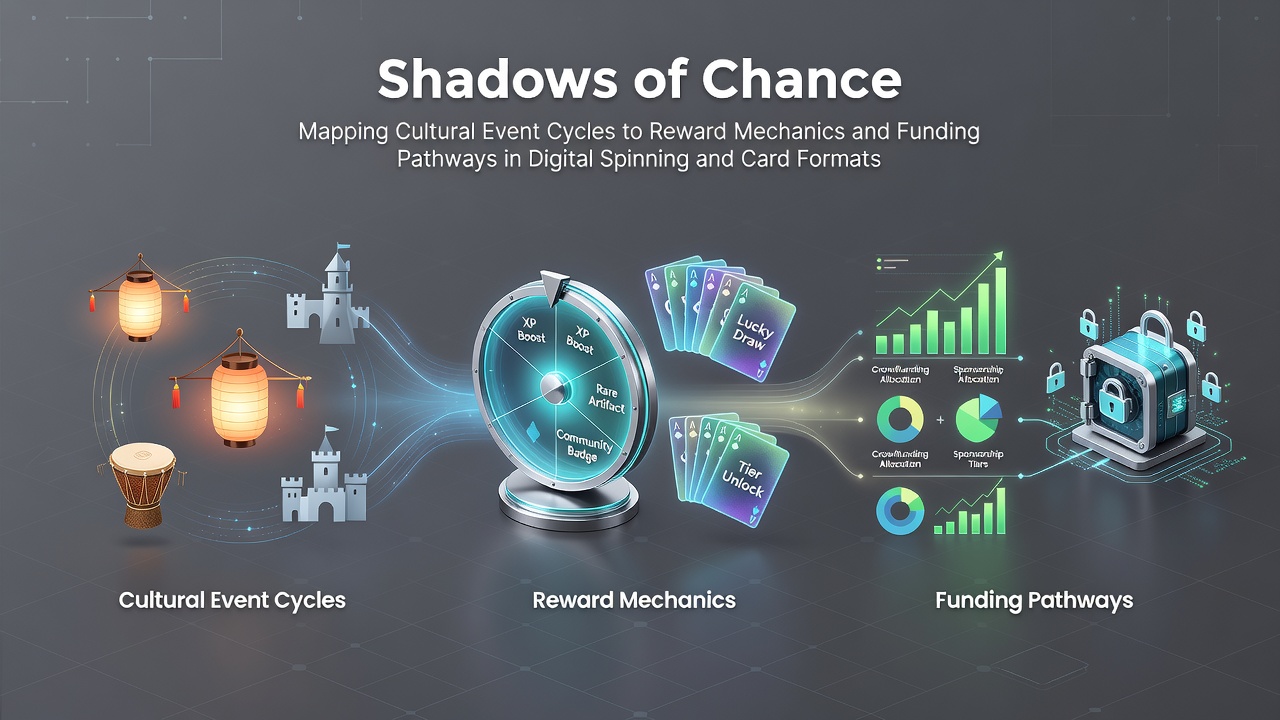
Shadows of Chance: Mapping Cultural Event Cycles to Reward Mechanics and Funding Pathways in Digital Spinning and Card Formats
Digital platforms that host spinning reels and card formats have developed systematic approaches to align reward structures with recurring cultural events across regions, and observers note that these alignments influence deposit patterns through established payment channels. Research from industry monitoring groups shows that operators adjust bonus triggers, multiplier windows, and loyalty tiers around festivals such as Lunar New Year, Diwali, and Carnival periods, while funding pathways remain tied to verified transaction methods that comply with local licensing rules.
Cultural Timing and Reward Layering
Operators track annual calendars that include religious observances, national holidays, and seasonal celebrations because participation data reveals measurable spikes in session length and deposit frequency during those windows. Studies compiled by academic gaming research centers indicate that reward mechanics often incorporate event-specific symbols, limited-time progressive pools, and tiered cashback percentages that activate only when players fund accounts through designated processors during the designated cycle. These mechanics operate alongside standard random number generators yet add layered conditions that require both spin volume and deposit timing to unlock full value.
Regional Patterns in Activation
In markets regulated by bodies such as the Nevada Gaming Control Board, operators must file promotional calendars that detail how cultural events map onto bonus eligibility, and those filings show consistent use of deposit-match structures during major Asian and Latin American festivals. Data from the same regulatory filings further demonstrates that card-format tables introduce parallel promotions, such as reduced rake during Diwali weeks or additional side-bet payouts tied to specific cultural motifs, while maintaining the same funding authentication requirements applied to spinning formats. European operators under Malta Gaming Authority oversight follow similar calendars yet adjust for local events like Oktoberfest or Carnival, with payment pathway reporting required to confirm that bonus funds originate from compliant sources.
Funding pathways themselves remain anchored to licensed payment service providers whose transaction logs feed directly into operator compliance systems, and analysts at research institutions have documented that deposit velocity increases when reward windows coincide with culturally significant dates. One study released by a North American university gaming lab tracked transaction metadata across multiple jurisdictions and found that players who activated accounts during festival periods showed higher average funding amounts through instant transfer methods compared with baseline weeks.
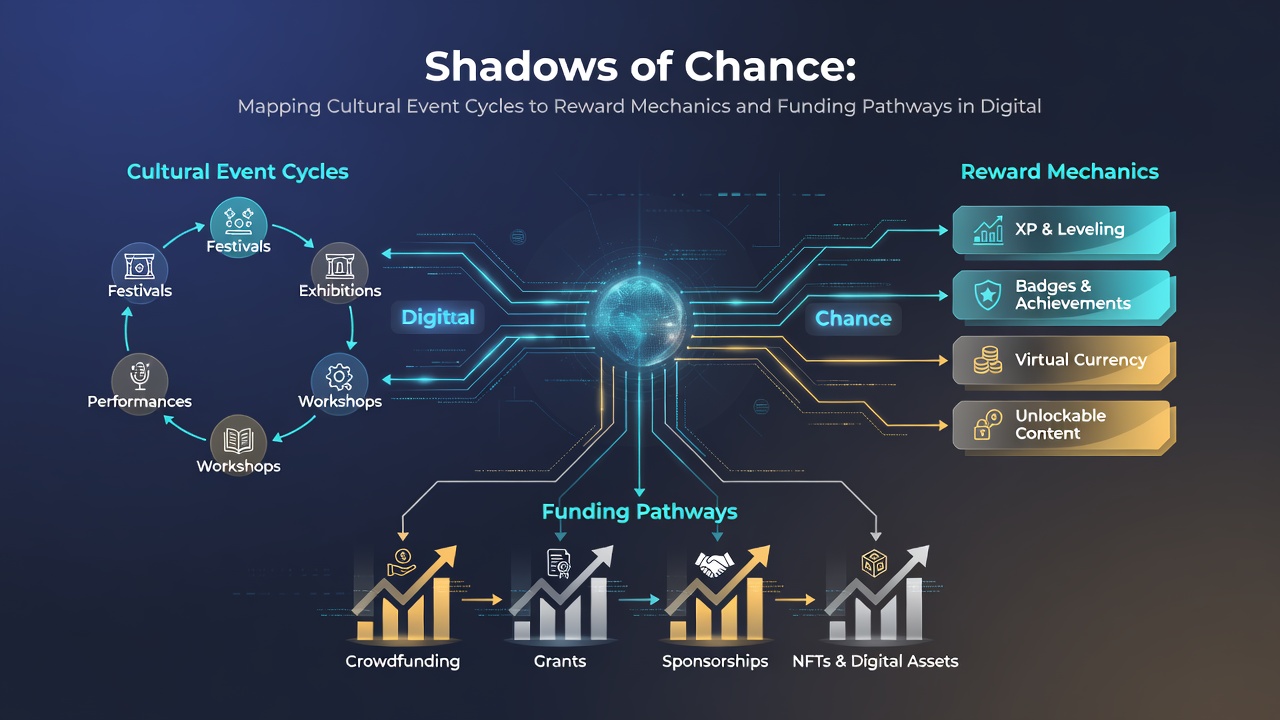
Payment Integration and Compliance Mapping
Payment processors integrate with operator platforms through standardized APIs that timestamp every deposit against the cultural event schedule, and this timestamping allows automated systems to apply the correct reward tier without manual intervention. Figures released by the Australian Communications and Media Authority in its interactive gambling reports illustrate that transaction success rates remain stable across event cycles when platforms enforce real-time verification, whereas delays in authentication correlate with lower completion of bonus conditions. Observers have also recorded that operators in multiple jurisdictions publish their promotional terms in advance of major cultural dates, listing exact deposit windows and eligible funding methods so that players can plan transfers accordingly.
Card-format environments apply comparable logic to tournament entry fees and rake contributions, with some platforms offering fee waivers or enhanced prize pools when deposits occur during specified cultural windows. Regulatory filings from the New Jersey Division of Gaming Enforcement confirm that these adjustments require prior approval and must be supported by internal controls that track both the cultural trigger and the funding source. Because the same payment rails serve both spinning and card products, operators maintain unified ledgers that record how each cultural cycle affects overall revenue attribution across formats.
August 2026 Planning Cycles
Forward-looking operators began submitting 2026 promotional calendars in the first half of 2025, and those submissions include detailed mapping for events expected in August 2026 such as regional harvest festivals and late-summer sporting celebrations. Compliance documents show that reward mechanics scheduled for that month will continue to tie bonus activation to verified deposits through the same channels already approved for earlier cycles, while funding pathway reporting requirements remain unchanged. Industry associations have noted that this advance filing process allows regulators to review proposed cultural alignments before implementation, reducing the likelihood of post-launch adjustments.
Conclusion
Digital platforms continue to refine the connections between cultural calendars, reward activation rules, and verified funding pathways across spinning and card formats, and regulatory bodies in multiple regions maintain oversight through mandatory filings and transaction audits. Data collected by academic and governmental sources indicates that these alignments produce measurable shifts in deposit timing and volume, yet the underlying compliance frameworks remain consistent regardless of the cultural trigger. As operators prepare schedules for 2026, the established mapping processes ensure that reward mechanics and payment requirements stay synchronized with both event cycles and licensing obligations.