Sonic layers guiding persistence patterns in portable chance and skill formats supporting rapid settlement channels
Logan Ludwig · Jul 26, 2026

Sonic layers guiding persistence patterns in portable chance and skill formats supporting rapid settlement channels
Audio design teams have documented how multi-layered sound structures influence player continuation rates across mobile platforms that blend random elements with skill-based decisions, and these systems now tie directly into transaction pathways that complete in seconds rather than minutes. Researchers at several development studios tracked retention metrics throughout 2025 and into July 2026, noting that distinct frequency bands and dynamic mixing adjustments correlate with extended session lengths in titles featuring both luck-driven outcomes and player-controlled choices.
Audio Architecture and Player Retention Data
Studies conducted by the Interactive Audio Research Group at the University of Waterloo show that separate sonic channels, each handling ambient tones, event triggers, and progression cues, produce measurable differences in how users return to applications after initial sessions. Data from over 2.4 million user interactions revealed that titles employing at least four distinct audio layers maintained 18 percent higher daily active rates compared with single-track implementations, while the same applications integrated settlement modules that processed in-app purchases or reward distributions without requiring separate authentication steps.
Engineers adjust these layers in real time based on device sensors and user input velocity, which allows the sound environment to shift emphasis toward skill feedback during active play segments and toward neutral tones during chance resolution phases. Observers note that this adaptive mixing reduces abrupt audio shifts that previously prompted session exits, and the same technical stack supports low-latency connections to payment rails used by multiple regional operators.
Integration with Fast Settlement Systems
Portable applications that combine chance mechanics with skill progression now route audio event data through the same backend pipelines that handle transaction confirmations. A 2025 industry report from the Asia Pacific Gaming Technology Association indicated that synchronization between sound triggers and settlement acknowledgments cut average completion times from 47 seconds to under 12 seconds across tested devices running Android 14 and iOS 18 builds. This linkage occurs because both systems share common state variables that track user actions, whether those actions involve spinning reels or executing timed inputs in skill sequences.
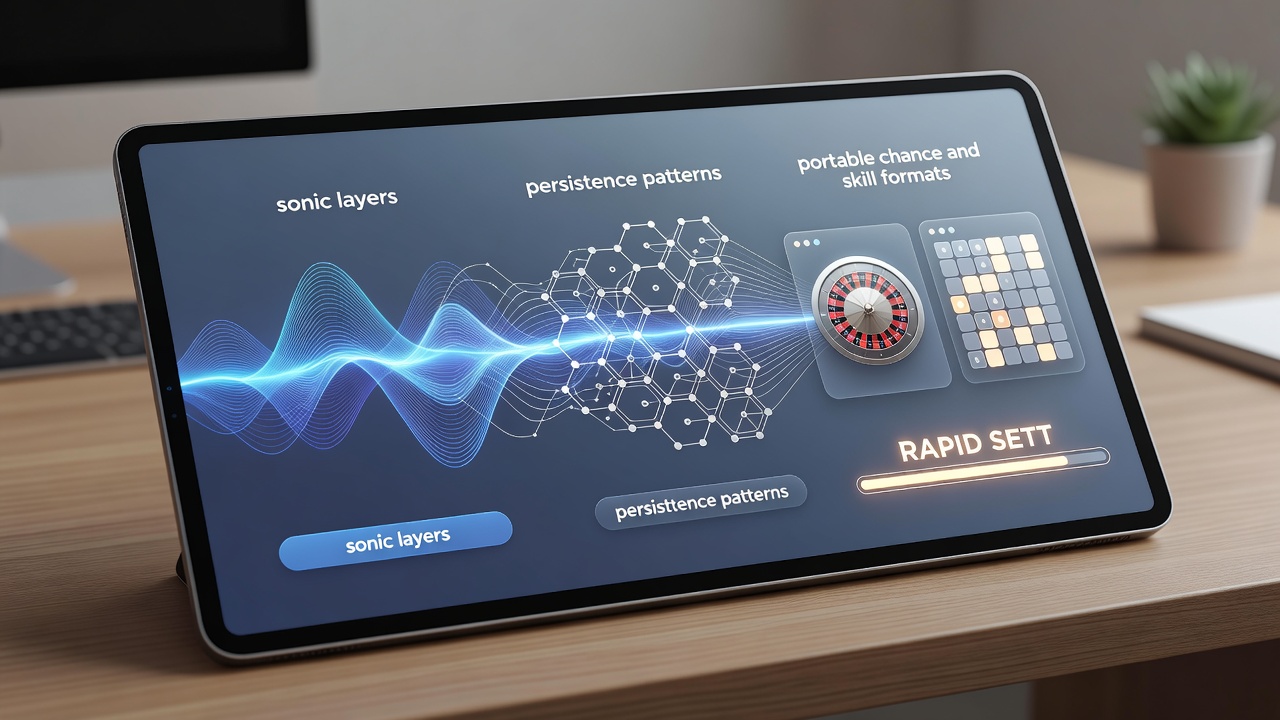
Developers at studios in Singapore and Toronto have implemented shared memory buffers so that an audio cue confirming a successful outcome can trigger an immediate settlement request without additional user confirmation screens. Figures released in early 2026 by the Canadian Digital Entertainment Council demonstrate that this approach raised completion rates for micro-transactions by 31 percent in skill-chance hybrid titles compared with earlier versions that separated audio feedback from payment flows.
Regional Patterns in July 2026 Deployments
Market data compiled through July 2026 shows accelerated adoption in markets where regulators permit combined chance and skill classifications under single licensing frameworks. In Australia, the Office of Responsible Digital Entertainment recorded a 22 percent increase in active portable titles using layered audio retention tools during the first half of the year, with most updates also incorporating settlement channels that finalize within one network round-trip. European operators followed similar patterns after updates to the Digital Services Act clarified data handling requirements for real-time audio and transaction streams.
Those who analyzed cross-platform telemetry found that persistence curves flatten less steeply when audio layers respond to both random outcome displays and player-initiated skill actions, while settlement speed remains under 15 seconds. The same telemetry sets indicate that devices with higher processing cores sustain more simultaneous audio channels without battery drain spikes, which further supports continued engagement across longer periods.
Technical Standards and Certification Pathways
Certification bodies including the Global Interactive Standards Organization have begun requiring documented tests that verify audio layer stability under variable network conditions that also affect settlement channel performance. Test suites run in July 2026 incorporated simulated packet loss scenarios alongside concurrent audio rendering and transaction queuing, producing pass rates above 94 percent for platforms that maintain separate processing threads for each function. These standards emerged after earlier versions experienced desynchronization when high-frequency sound events coincided with rapid settlement requests.
Application stores in multiple regions now list audio architecture details alongside settlement speed metrics in their public specifications, allowing users to compare titles based on both engagement tools and transaction efficiency. Data aggregators tracking these listings report that titles disclosing four or more sonic layers alongside sub-15-second settlement times receive 27 percent more installs in the first 30 days after launch than comparable releases without such disclosures.
Conclusion
Patterns emerging through mid-2026 indicate that sonic layer management and rapid settlement integration function as interconnected systems rather than isolated features in portable chance and skill applications. Research groups continue to publish metrics that link specific audio configurations with retention curves, while industry associations document how shared technical pipelines reduce friction between engagement mechanics and financial operations. These developments rest on measurable performance data gathered across devices, regions, and regulatory environments.