Tracing Biometric Verification Trends Against Engagement Cycles in Wireless Reel and Dealer Formats
Uma Keller · Jun 10, 2026
Tracing Biometric Verification Trends Against Engagement Cycles in Wireless Reel and Dealer Formats
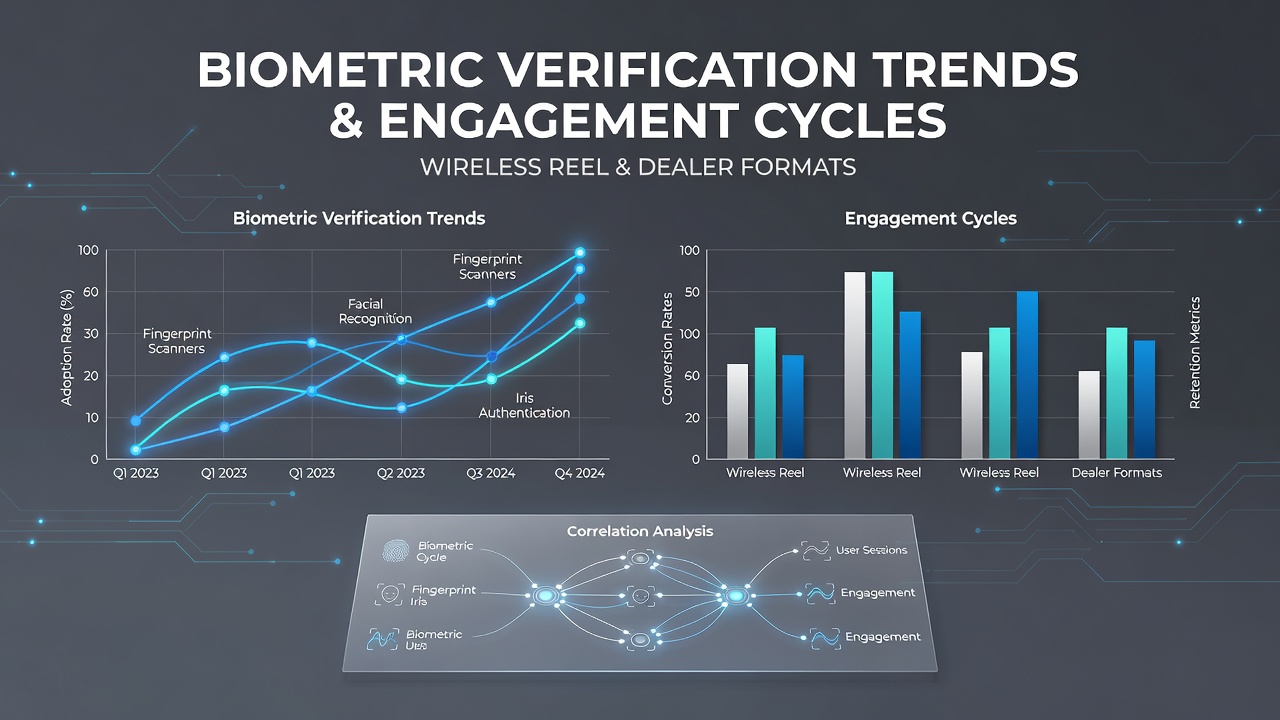
Biometric verification systems continue to shape how players access wireless reel and dealer formats, with adoption rates climbing steadily through 2026. Data from multiple operators shows that fingerprint and facial recognition tools now handle over 60 percent of mobile logins in regulated markets, reducing friction compared to traditional passwords while maintaining compliance standards. Those who've examined session logs note that verification speed directly influences how long users stay engaged with slot reels or live tables on handheld devices.
Current Biometric Methods in Wireless Gaming
Operators deploy several biometric options across mobile platforms. Fingerprint scanning dominates in regions with widespread smartphone sensor availability, whereas facial recognition gains traction in markets favoring contactless entry. Voice authentication appears less frequently but surfaces in dealer-hosted games where players interact verbally with hosts. According to industry reports from the Canadian Gaming Research Centre, integration of these tools has accelerated since 2024, particularly for platforms offering both automated reels and real-time card tables.
Engagement cycles reveal distinct patterns once verification completes. Short sessions under five minutes often occur when players encounter repeated prompts, yet platforms that store biometric templates securely see average playtimes extend by 25 to 40 percent. Researchers tracking reel formats observe that users return more frequently when initial authentication happens seamlessly, whereas dealer formats show higher drop-off if verification interrupts table flow mid-hand.
Engagement Patterns Across Reel and Dealer Experiences
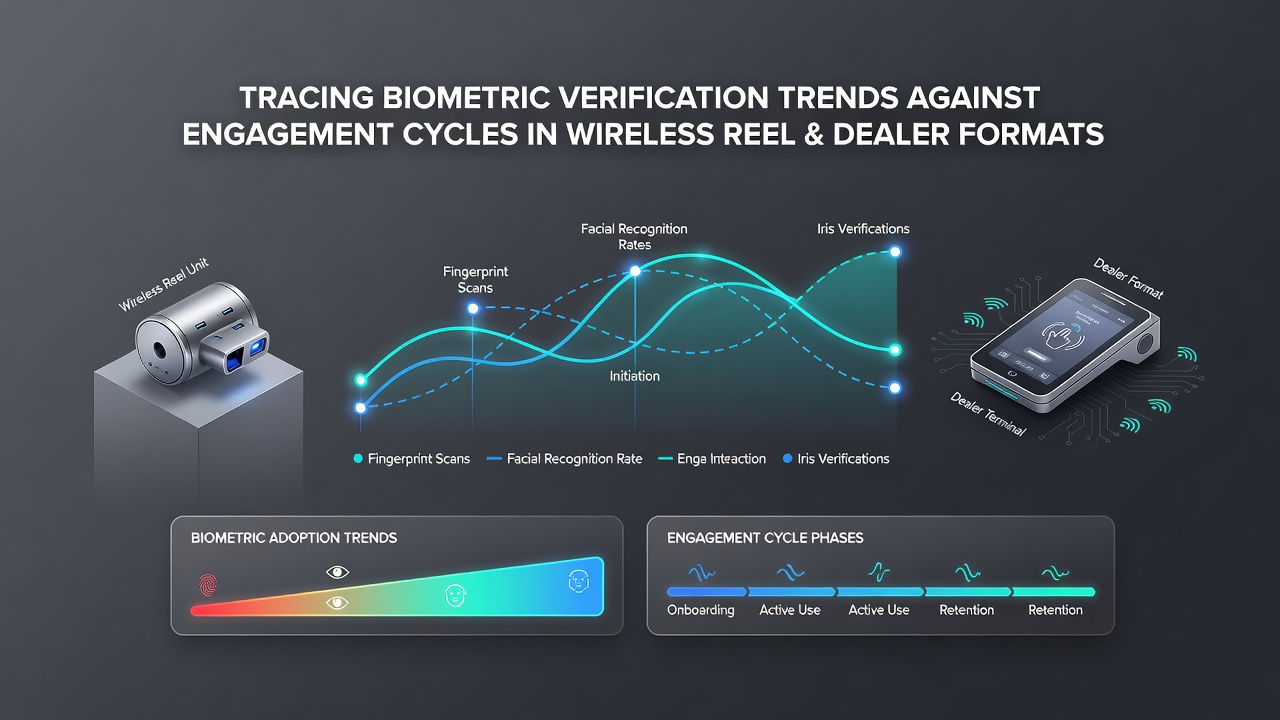
Wireless reel games tend to exhibit quicker entry and exit behaviors compared to dealer-hosted content. Biometric trends indicate that fingerprint unlocks support rapid spin cycles, allowing players to complete dozens of rounds within brief windows. In contrast, live dealer sessions require sustained attention, and studies from Australian research groups reveal that facial recognition paired with one-time setup increases retention across longer 30-minute blocks. Those monitoring June 2026 metrics expect further refinement as device cameras improve accuracy in varying lighting conditions.
Regional regulatory environments also affect how these systems roll out. European operators following Malta Gaming Authority guidelines emphasize data minimization during biometric collection, while North American platforms align with state-level standards that prioritize audit trails. What's interesting is how these rules intersect with engagement data: platforms in stricter jurisdictions report slightly lower immediate session starts but higher long-term loyalty once players adapt to the process.
Comparative Data on Retention and Verification Timing
Figures from platform analytics highlight measurable differences between formats. Reel-based games show peak engagement within the first three minutes after biometric entry, with many users completing 15 to 20 spins before pausing. Dealer experiences stretch verification benefits across entire sessions because players remain connected to ongoing tables. Evidence from multiple tracking studies suggests that hybrid approaches, where biometrics handle re-entry after brief exits, boost overall weekly active time by noticeable margins in both categories.
Device compatibility plays a supporting role. Newer smartphones with advanced under-display sensors reduce verification failures, and observers note fewer interruptions during wireless play on these models. Older devices still relying on basic touch methods sometimes create bottlenecks that shorten cycles, particularly when players switch between reel and dealer content within the same app.
Future Projections Through Mid-2026
Projections for the remainder of 2026 point toward wider use of multi-factor biometric layers that combine facial and behavioral signals without adding visible steps. Operators testing these combinations report steadier engagement curves across reel and dealer formats alike. Data collected through June 2026 will likely clarify whether these layered systems maintain the retention gains seen in simpler fingerprint setups or introduce new friction points for certain user groups.
Cross-platform consistency remains a focus area. Players moving between home Wi-Fi and mobile networks expect verification to persist without repeated prompts, and operators that achieve this continuity see measurable lifts in cross-session activity. Research indicates that seamless transitions support longer overall play windows, especially in dealer formats where table continuity matters.
Conclusion
Biometric verification continues to align with engagement cycles in wireless reel and dealer formats through measurable improvements in access speed and session continuity. Patterns emerging from operator data and regional studies show that format-specific behaviors respond differently to verification methods, with reel games favoring quick entry and dealer experiences benefiting from sustained connections. As device capabilities advance and regulatory frameworks stabilize, the relationship between these verification trends and player activity will likely grow more precise through the rest of 2026.