Tracing Links Between Withdrawal Options and Retention Rates in Games of Chance and Games of Skill on Handheld Devices
Lars Weber · Jun 3, 2026
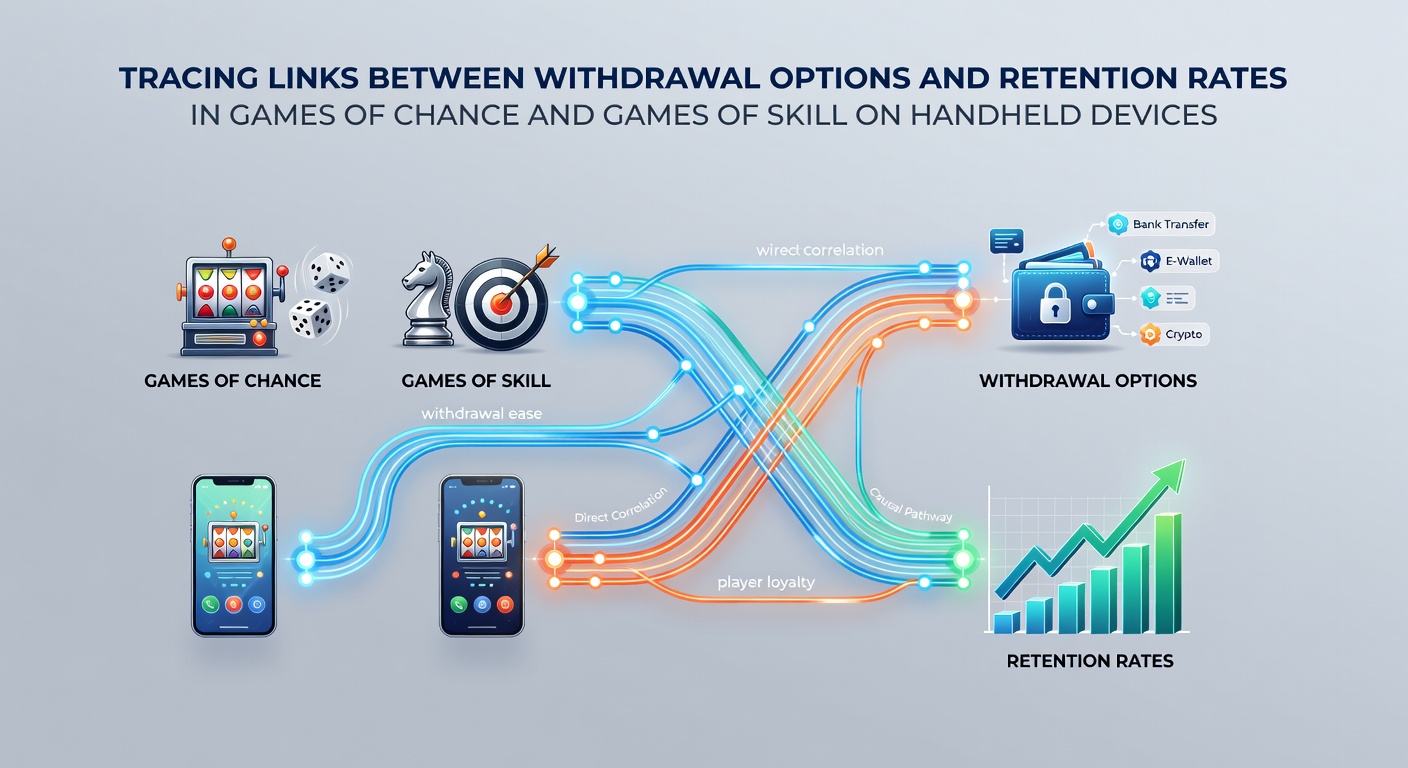
Tracing Links Between Withdrawal Options and Retention Rates in Games of Chance and Games of Skill on Handheld Devices
Research into mobile gaming platforms reveals connections between how quickly players access their funds and how long they continue engaging with both chance-based titles like digital reels and skill-oriented options such as strategy card games. Data collected across multiple markets indicates that withdrawal processing times vary significantly depending on the payment method selected, while retention metrics track repeat sessions over weeks or months. Observers note that these patterns emerge consistently when comparing automated reel experiences to interactive dealer-hosted formats on portable devices, and studies from 2025 through early 2026 highlight measurable differences in user behavior tied directly to payout accessibility.
Defining Games of Chance and Games of Skill on Mobile Platforms
Games of chance on handheld devices center on random outcomes where elements like symbol alignment determine results without player input beyond initial bets, whereas games of skill incorporate decision-making sequences that influence final scores through repeated choices during play. Retention rates measure the percentage of users returning after an initial session, often tracked through account activity logs that capture session frequency and duration. Figures from industry monitoring services show that chance-based applications typically attract shorter individual sessions compared to skill-based counterparts, yet both categories demonstrate sensitivity to how efficiently winnings transfer out of player accounts. Those who study these environments point out that payment infrastructure plays a role in sustaining engagement because delays in fund access correlate with reduced return visits across device types.
Withdrawal Options and Their Processing Characteristics
Electronic wallet services enable transfers that complete within hours in many cases, while traditional bank transfers require one to five business days depending on the financial institution and geographic region involved. Cryptocurrency channels process confirmations in minutes once network validation occurs, although volatility in exchange rates adds another layer of consideration for users. Reports compiled by regulatory bodies such as the New Jersey Division of Gaming Enforcement document average payout timelines across licensed operators, revealing that faster methods appear alongside higher session counts in aggregated user data. Mobile interfaces further streamline these processes through saved preferences that allow one-tap selections after initial verification steps, reducing friction that might otherwise interrupt play cycles. What's interesting is how these speed variations intersect with game type, since chance-based sessions often involve smaller, more frequent withdrawals while skill-based play tends toward larger accumulated totals processed less often.
Retention Patterns Across Game Categories
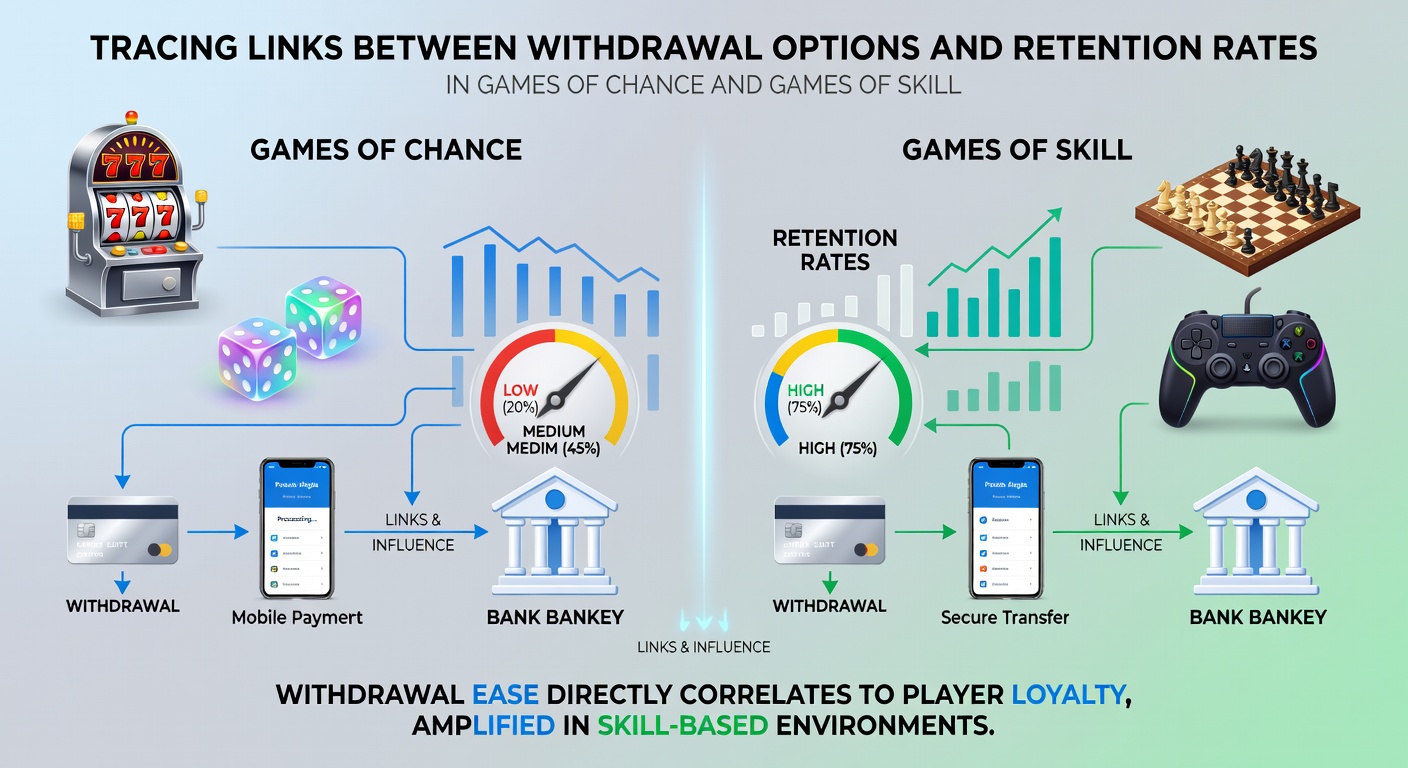
Analyses of user datasets indicate that platforms offering multiple withdrawal avenues maintain steadier retention curves over six-month periods, particularly when e-wallet and instant transfer options sit alongside slower alternatives. In chance-based mobile games, retention drops more sharply when processing exceeds 48 hours, according to metrics gathered from North American operators, whereas skill-based applications show steadier engagement even with moderate delays because participants invest additional time in strategy refinement between sessions. A longitudinal review covering January through June 2026 found that operators introducing same-day payout features recorded retention uplifts ranging from 12 to 18 percent in both categories, with the effect appearing more pronounced among users aged 25 to 34 who access games primarily through smartphones. Researchers tracking these trends emphasize that retention calculations incorporate factors like deposit frequency and bonus utilization, yet withdrawal speed surfaces repeatedly as a statistically significant variable in multivariate models.
Regional Data and Regulatory Influences
European markets regulated under frameworks from the Malta Gaming Authority display similar associations between payout velocity and continued play, with operators reporting that verified instant withdrawal systems correspond to elevated monthly active user numbers. Australian regulatory summaries similarly connect streamlined banking integrations to lower churn rates across portable gaming applications, noting that users who complete at least one successful withdrawal within 24 hours demonstrate higher probabilities of returning within seven days. Canadian provincial oversight bodies have documented parallel outcomes in skill-oriented poker applications hosted on mobile, where integrated payment rails reduce drop-off between tournament rounds. These patterns hold when controlling for variables such as game volatility and promotional structures, suggesting that withdrawal reliability functions as an independent contributor to sustained participation regardless of chance or skill emphasis.
Technical and Behavioral Factors at Play
Device-level authentication protocols, including biometric verification, accelerate withdrawal approvals on modern handhelds and thereby support uninterrupted engagement loops. Behavioral logs reveal that players who encounter seamless payout experiences allocate more time to exploring new titles within the same application, creating compounding effects on overall retention. One examination of transaction records showed that e-wallet users in skill-based environments initiated follow-up sessions 30 percent sooner than those relying on wire transfers, while chance-based participants exhibited comparable accelerations when cryptocurrency options were available. Network latency and application responsiveness further modulate these outcomes, since delays in interface loading compound perceived friction around fund movement. Industry reports compiled through 2026 continue to isolate withdrawal option diversity as a predictor variable in retention forecasting models, separate from marketing spend or content updates.
Conclusion
Available evidence establishes measurable associations between withdrawal processing characteristics and retention metrics in both chance and skill mobile gaming formats, with faster options aligning consistently with sustained user activity across examined regions. Regulatory documentation from multiple jurisdictions and transaction analyses reinforce that payment infrastructure forms part of the broader ecosystem influencing repeat engagement, though outcomes vary by game mechanics and user demographics. Continued monitoring through the second half of 2026 will clarify whether emerging payment technologies further strengthen these connections or introduce new variables into retention calculations.